
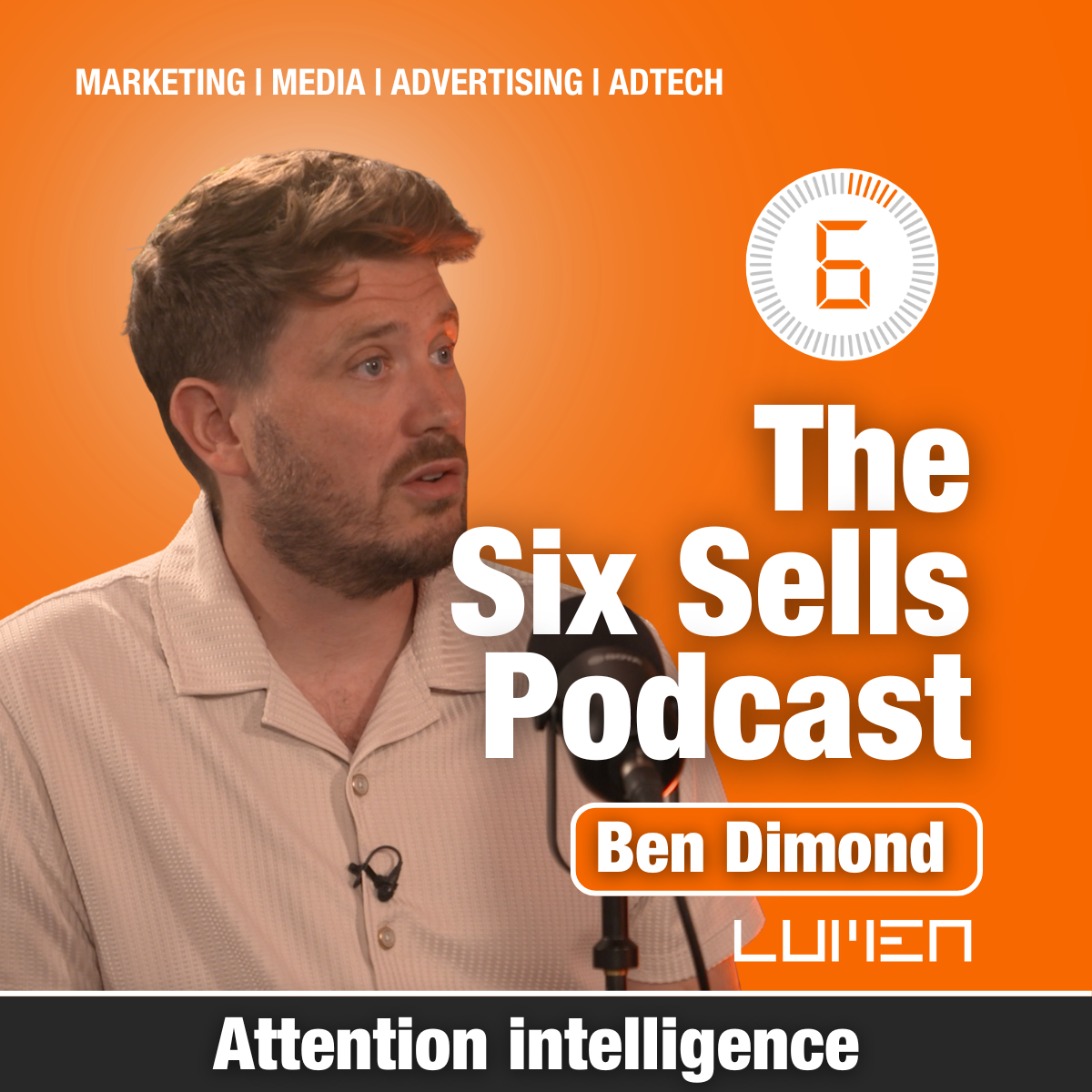
In this episode of The Six Sells Podcast, I welcomed Ben Dimond from Lumen Research into the studio to talk about how attention intelligence leads to significant increases in media effectiveness.
I really enjoyed chatting to my former colleague, Ben Dimond, about the role of attention in delivering effective media campaigns.
Ben is the Commercial Director at Lumen Research, and he works with brand marketers and media agencies to help them use attention intelligence to increase the business outcomes they receive from their media and creative investments.
Here are a few of the topics that we talked about in this podcast, in no particular order:
• Advertising comes from the Latin word advertere, meaning to turn towards, but there is a huge volume of media that nobody turns towards.
• Even when Ben was buying press advertising at MG OMD, he was actually buying attention - it just wasn’t described in that way back then. Early right-hand pages were assumed to get more attention, so they were sold at a premium.
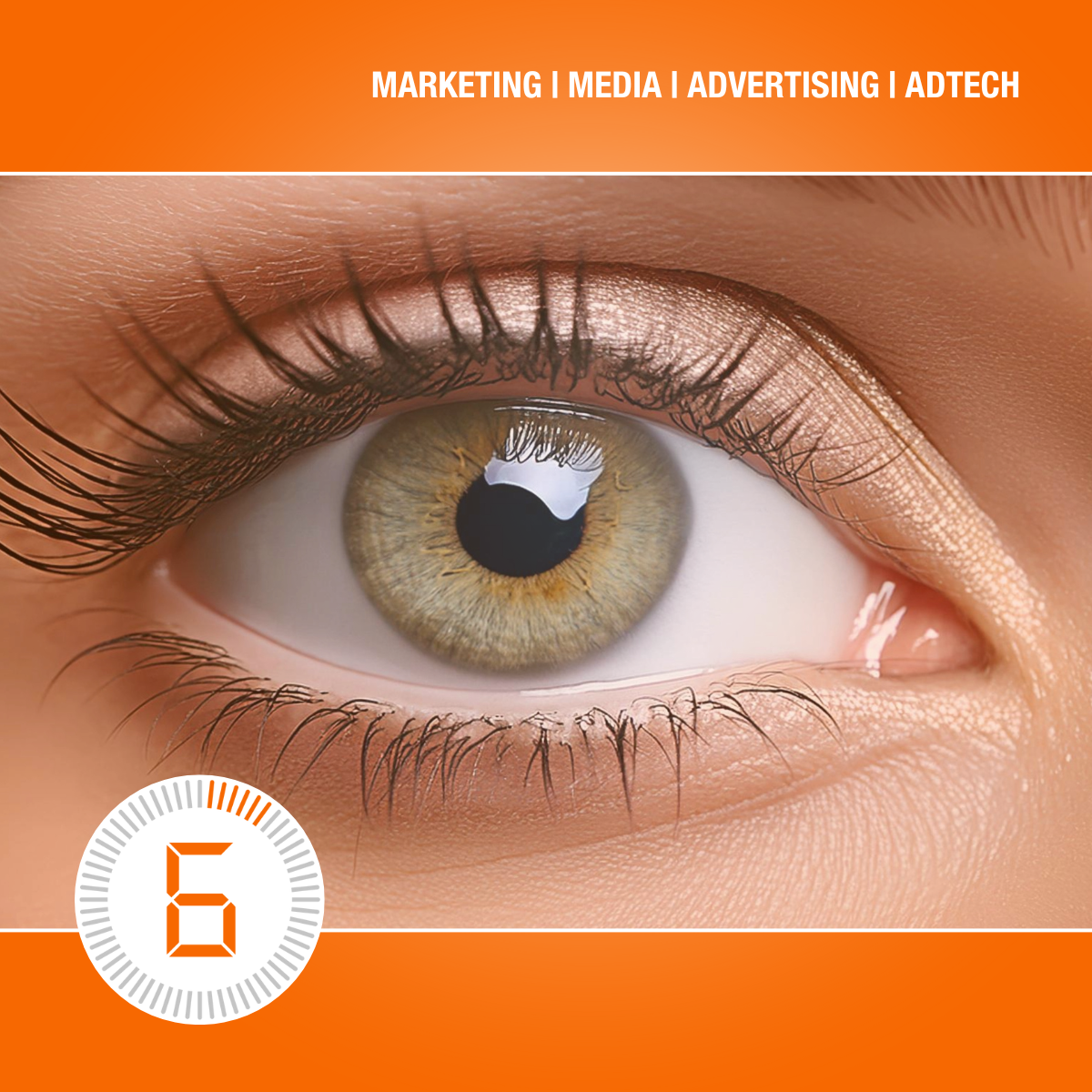
• Eye-tracking data allows marketers to see through the eyes of their audiences. What do people look at, and for how long, and how does that translate to business outcomes?
• Outcomes are the ultimate goal of advertising, and attention is a means to an end.
• Before eye-tracking technology, attention was assumed. It was assumed that if you place ads in good places, people will look at them - however, people are very good at ignoring advertising.
• How much attention do you get currently? The first step for a marketer is to understand how much attention their current media plans get.
• Memory and money - attention leads towards business outcomes, either memory-based, such as awareness and consideration, or money-based, in terms of sales.
• Every brand and campaign needs a different dosage of attention - a big brand with huge mental availability, such as Coca-Cola, probably only needs a fraction of a second of attention to nudge the consumer to think about them. A small brand might need 2 seconds of attention to deliver an outcome.
• Linking attention to outcomes - Lumen Research help brands to understand the volume of attention required, the cost of that attention, and the subsequent value of that media. If you buy media with too low attention, your campaign will not perform, but you also don’t want to buy as much attention as possible, because high-attention media usually costs more, and after a certain level of attention there are diminishing returns.
• Attention is a leading indicator - there is a solid, well-researched relationship between attention and outcomes. Understanding that relationship as it relates to your brand and campaign objectives is where marketers can really start to move the effectiveness needle.
• Discussed research - Ben mentioned a research piece published by the Havas Media Network that shows how attention leads to memory-based outcomes, which you can download here. Ebiquity published some research which showed a near-perfect correlation between the media that delivered the most attention and ROI profit, which you can download here.
About The Six Sells Podcast:
The Six Sells Podcast is for people working in marketing, media, advertising and adtech.
There are over 150 episodes and counting, and the biggest episodes have achieved 30,000 views across all platforms.
Want to get in touch? Email hello@sixsells.co.uk
Who is Six Sells?
Six Sells is a UK-based executive visibility and thought leadership agency that works globally with CEOs and senior leaders in media, advertising, adtech and technology.
Founded in 2018, we turn each executive's expertise into distinctive, authoritative content in their own voice, built to reach two audiences at once: the humans that matter to them, and the AI models those humans now ask for answers.
Our work combines executive ghostwriting, video, podcasts, photography and awards to build familiarity, trust and authority across LinkedIn, Reddit, YouTube, Substack, the trade press and the wider web.
We also help executives and their companies improve their visibility in AI search and large language models (LLMs) through generative engine optimisation (GEO), increasing the likelihood that platforms including ChatGPT, Google Gemini, Perplexity and Claude can discover, understand, cite and recommend their expertise.
Email hello@sixsells.co.uk for more information.


.png)

.png)



.png)








.png)




.png)


