
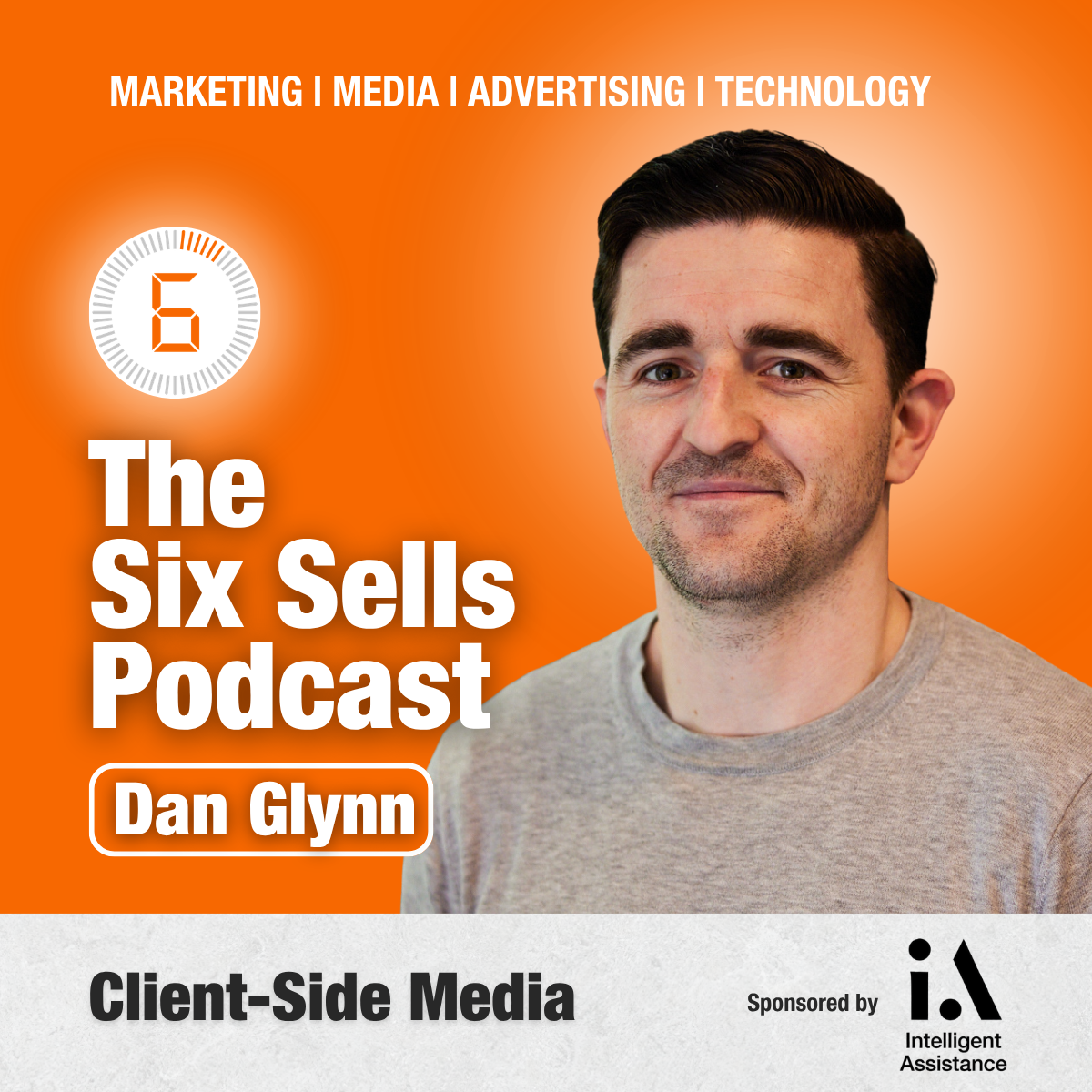
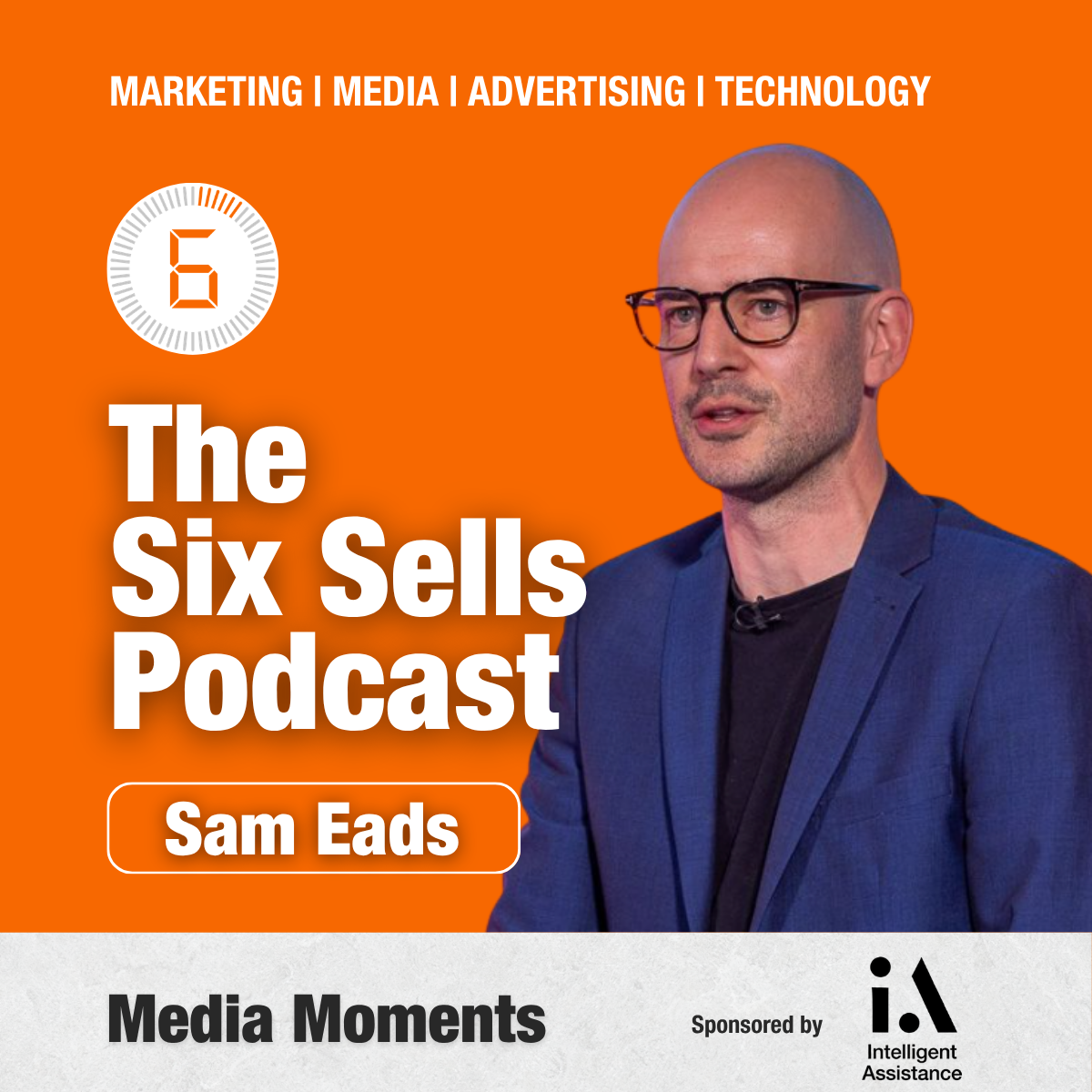
How Heineken approaches in-house media buying, attention, the open web and AI with Dan Glynn on The Six Sells Podcast
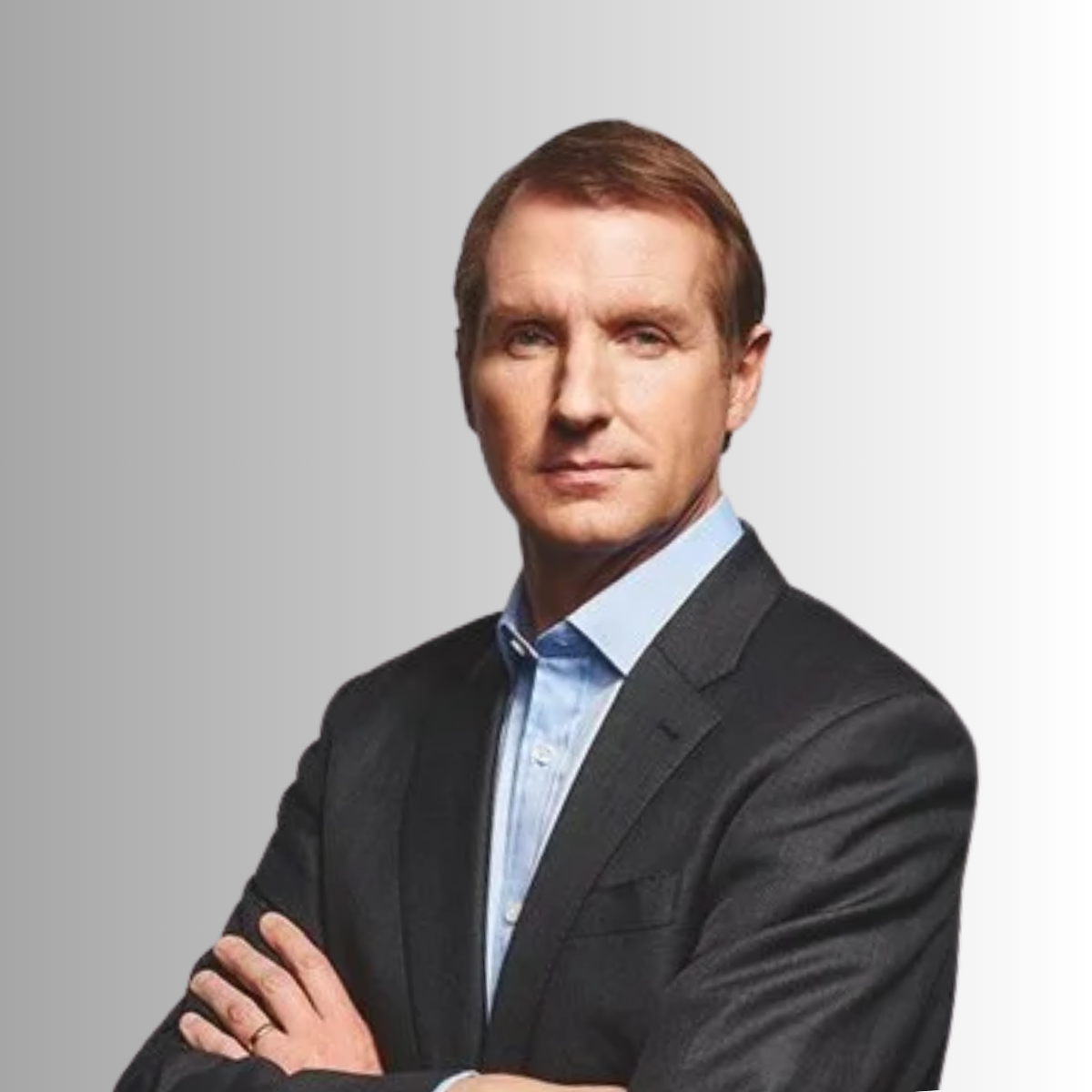
Dan Glynn, Head of Media Buying, at The Heineken Company, joins Mike Nicholson on The Six Sells Podcast to discuss in-house media buying, programmatic advertising, attention, brand safety, the open web, adtech discovery, AI, retail media and how Heineken connects media decisions to real business outcomes.
With thanks to Intelligent Assistance, who are sponsors of The Six Sells Podcast, and partners of Six Sells. Intelligent Assistance take a human-first, human-last approach to building AI engines that solve real business challenges.
Episode summary
In this episode of The Six Sells Podcast, Mike Nicholson, founder, at Six Sells, speaks with Dan Glynn, Head of Media Buying, at The Heineken Company, about how Heineken approaches digital media buying across a portfolio that includes Heineken, Birra Moretti, Cruzcampo, Foster's, Strongbow and Desperados.
Dan explains how moving from agency roles at MediaCom into an in-house media team changed the way he thinks about collaboration, business objectives and media activation. Being closer to brand teams allows the Heineken media team to make decisions quickly, understand the wider commercial context and take more ownership of digital strategy.
The conversation explores how Heineken works with Dentsu while maintaining freedom to test new technologies, channels and media partners. Dan argues that innovation does not always mean launching something visually groundbreaking. It can mean finding better data, smarter audience segmentation, stronger contextual signals or new ways to reduce overlap between brands.
Dan also explains why the open web remains an important part of Heineken's media plans alongside major platforms such as YouTube, Meta and TikTok. Premium publisher environments, contextual relevance and trusted news brands can all play an important role, provided advertisers use more sophisticated approaches to brand safety than blunt keyword blocking.
Attention measurement is another major theme. Dan believes traditional metrics such as viewability and view-through rate do not always explain whether advertising has actually worked. He discusses attention as a health metric, the importance of connecting attention to brand outcomes, and why different brands may need very different amounts of attention depending on their existing awareness and brand equity.
Mike and Dan also discuss the increasingly difficult problem of adtech discovery. With new platforms and capabilities appearing constantly, in-house teams cannot meet every supplier. Dan explains how LinkedIn, recommendations, awards, case studies and more personalised outreach can help useful technologies get discovered.
The episode finishes with AI and LLM advertising, consumer mindset, retail media measurement and campaigns Dan is particularly proud of, including a Citymapper activation for Old Mout and connected activity using Amazon and retail sales data.
Topics discussed include:
* Dan Glynn's career from MediaCom apprentice to Media Buying Lead at The Heineken Company
* The benefits of moving from agency-side roles into an in-house media team
* How Heineken's media team collaborates with brand teams across the wider business
* How Heineken divides responsibilities between its in-house team and Dentsu
* Why agility and experimentation matter in digital media buying
* How rapidly changing adtech capabilities make partner selection more difficult
* Why innovation can mean better data and segmentation, not just new creative formats
* How Heineken reduces overlap between audiences across its brand portfolio
* The role of YouTube, Meta and TikTok alongside the open web
* Why premium publishers and news brands still matter to advertisers
* The limitations of basic keyword blocking for brand safety
* How semantic and contextual technology can improve brand suitability decisions
* Why Dan sees attention as an important media health metric
* The limitations of viewability and view-through rate as measures of effectiveness
* Why established and newer brands may require different levels of consumer attention
* How media and creative need to work together to generate meaningful attention
* The difference between positive attention and intrusive advertising
* How in-house media teams discover new adtech companies and suppliers
* Why personalised sales outreach is more useful than generic copy-and-paste messages
* How LinkedIn helps Dan discover technologies, campaigns and media partners
* The role of awards, case studies and proven results in supplier discovery
* The challenge of finding time for partner discovery alongside day-to-day media work
* How AI and LLMs could support media planning and discovery
* Why human judgement still matters alongside AI
* Heineken's early advertising tests in ChatGPT
* How contextual relevance can influence advertising around sport and other consumer interests
* How media planning can account for the consumer's mindset and situation
* The role of retail media and sales data in connecting advertising to commercial outcomes
* Dan's favourite Heineken campaigns and what they demonstrate about connected media planning
Why has Heineken brought more digital media buying in-house?
Heineken's in-house media operation gives its team greater agility, closer collaboration with brand teams and more direct ownership of digital media decisions.
Dan Glynn says one of the biggest differences from agency life is that the in-house team and Heineken's brand managers are working towards the same underlying business objectives. Instead of arranging formal client meetings whenever a question arises, colleagues can have much faster conversations and bring knowledge from different parts of the organisation into the media plan.
That proximity also gives the media team greater visibility of the wider business, including areas such as distribution and pubs. Dan says understanding those commercial realities helps the team identify the jobs that media actually needs to do.
Heineken also manages multiple brands with different audiences, levels of awareness and marketing requirements. Having internal expertise allows the team to make decisions alongside brand managers about the right digital strategy for Heineken, Birra Moretti, Cruzcampo, Foster's, Strongbow, Desperados and other brands in the portfolio.
How does Heineken's in-house media team work with Dentsu?
Heineken works collaboratively with Dentsu on strategy and offline media while retaining significant freedom to shape and activate its digital media approach.
Dan Glynn explains that Dentsu provides strategic support and manages offline channels, while Heineken's in-house team wants to remain able to explore new digital partners, products and channels when they believe those opportunities are right for the brand.
The arrangement is not about rejecting agency expertise. Dan repeatedly emphasises collaboration. The objective is to combine the agency's strategic framework with the in-house team's direct understanding of Heineken's brands and the technologies available in digital media.
That structure also gives Heineken an opportunity to test emerging approaches rather than limiting digital buying to an established set of platforms or suppliers.
Why does the open web still matter to Heineken?
The open web remains important to Heineken because it gives the company access to premium publisher inventory, useful contexts and moments of consumer intent that complement large platforms such as YouTube, Meta and TikTok.
Dan Glynn recognises the scale and reach available through the major platforms, but argues that advertisers should not forget the value of premium publishing environments.
News, entertainment and sports publishers can put brands into contexts that are meaningful to consumers. For Heineken, that could mean reaching someone while they are actively engaging with football or another subject connected with the campaign.
Dan believes programmatic advertising has also developed significantly over the past decade. With appropriate technology and measurement, he sees programmatic as an effective part of a cross-channel plan.
The aim is not to choose the open web instead of major platforms. It is to build a connected ecosystem that uses each channel according to what it can contribute to the brand and the business objective.
How should advertisers think about brand safety around news content?
Advertisers should use context and semantics to distinguish genuinely unsuitable content from valuable journalism instead of relying on blanket keyword blocking.
Dan Glynn argues that trusted news environments still have substantial value. Audiences may increasingly consume journalism digitally rather than through printed newspapers, but that does not mean the trust or relevance of the publisher has disappeared.
The challenge is that simplistic brand-safety approaches can remove large amounts of suitable inventory. Dan gives the example of the war in Ukraine. Blocking every article containing the word "Ukraine" could also exclude financial or stock-market coverage where Ukraine is mentioned as context rather than being the main subject.
Mike Nicholson gives a similar example from football publishing, where the word "shoot" can appear constantly in completely safe sporting content.
Dan believes advances in contextual and semantic technology make it possible to take a more nuanced approach. Human judgement remains important too, particularly when automated systems fail to understand the meaning of a word within a specific article.
Why does Dan Glynn think attention matters more than traditional digital metrics?
Dan Glynn sees attention as an important health metric because metrics such as viewability and view-through rate do not necessarily show whether an advert was noticed or created a meaningful brand effect.
He says Heineken has seen campaigns with relatively low view-through rates that still produced strong brand awareness and recall, as well as campaigns with high view-through rates that did not generate the same level of brand recall.
That makes it important to look beyond whether an advert technically appeared on screen or whether a video played through to completion.
However, Dan does not treat attention as an end result in itself. An advert could theoretically generate 30 seconds of attention but still fail to increase awareness or consideration. He therefore sees attention as one part of a wider measurement framework.
Media and creative also have to work together. Strong media placement cannot compensate indefinitely for weak creative, just as strong creative cannot perform properly if the media environment is wrong.
How much consumer attention does a brand actually need?
The amount of attention a campaign needs can vary substantially according to the brand's existing awareness, distinctive assets and the job the advertising has to do.
Dan Glynn describes work Heineken carried out to understand the level of attention required by different brands in its portfolio.
A well-established brand such as Strongbow already has substantial brand equity and spontaneous awareness, so an advertisement may only need to reinforce something consumers already know.
Cruzcampo presents a different challenge because it only entered the UK market in 2023. Dan says a newer brand needs more opportunity to establish its packaging, product and meaning.
Mike Nicholson describes a similar distinction as "nudge versus nurture". A highly familiar brand may need a brief reminder, while a newer brand needs more time to build understanding.
This also has implications for media efficiency. Buying the highest-attention placement available is not automatically the right decision if the brand does not need that level of attention.
Can advertising receive too much or the wrong kind of attention?
Yes. Dan Glynn argues that not all attention is valuable because highly intrusive advertising can create a negative brand experience even if it succeeds in making somebody look.
For Heineken, the objective is therefore not simply to maximise the number of seconds someone spends looking at an advert.
The brand, creative, media environment, audience and moment all need to fit together. Dan says premium brand credentials also need to be reflected in where and how advertising appears.
That can mean balancing broad-reach communications with more focused digital activity aimed at particular audience groups, while ensuring that higher-impact formats do not become so intrusive that they damage brand perception.
How can adtech companies get noticed by in-house media teams such as Heineken?
Adtech companies are more likely to get Dan Glynn's attention when they demonstrate that they understand the advertiser's actual challenge and explain clearly how their technology can help solve it.
Dan says supplier discovery is one of the challenges of working in-house. At an agency, media specialists can ask other teams which partners they are using. A brand-side team does not necessarily have the same internal network of people constantly testing different suppliers.
LinkedIn therefore plays an important role. Dan uses it to see new products, campaigns, awards and case studies, and says there have been occasions when he has proactively approached a media partner after discovering its work.
Personalisation also matters. Some of the better outreach messages Dan receives begin by asking about Heineken's challenges instead of immediately presenting a predefined solution.
The fundamental problem is time. In-house teams may receive many supplier emails while also having campaigns and internal projects to manage. Dan says there is always a concern that a genuinely valuable new partner could be overlooked simply because the team did not have time to investigate it.
What role could AI and LLMs play in media planning and advertising?
Dan Glynn expects AI and large language models to become more important, but believes human judgement will remain essential for innovation, creativity and nuanced media decisions.
Heineken has already run an early advertising test in ChatGPT. Dan says the initial focus was reach and contextual relevance, including summer sport, the World Cup, Formula 1 and more general summer themes.
The idea was to make advertising relevant to the questions people were asking. During the World Cup, for example, someone might ask what matches were on that evening or what time a match kicked off.
Dan expects measurement and advertising capabilities around LLMs to develop as consumer usage grows.
At the same time, he is cautious about treating AI as a replacement for conversations with partners. An advertiser may know the business and media objective, while a specialist technology supplier understands its own platform in greater depth. Dan sees value in bringing those perspectives together so that a supplier can suggest an approach the advertiser may not have considered.
How does Heineken connect media advertising with a consumer's mindset?
Heineken tries to understand not only which audience it wants to reach but also what that person is likely to be doing, thinking about and paying attention to at the moment the advert appears.
Dan Glynn gives the example of somebody checking National Rail while rushing for a train. Even if an advert is technically visible on the screen, that consumer is unlikely to give it much attention because their immediate priority is finding travel information.
Different digital environments create different mindsets too. Someone scrolling through a social feed or browsing the open web may behave differently from someone deliberately watching a YouTube video.
Dan says Heineken works with specialist partners to understand these audience behaviours, contexts and moments more effectively. The objective is to combine broad brand-building reach with more precise targeting where the data makes that possible.
For beer and cider brands, top-of-mind awareness is particularly important because the eventual purchase can be impulsive. Media therefore needs to help make the brand mentally available when someone reaches the point of choosing what to buy.
Which Heineken media campaigns is Dan Glynn particularly proud of?
Dan Glynn highlights an Old Mout Citymapper activation and Heineken's connected work with Amazon and retail sales measurement as two examples he is particularly proud of.
For Old Mout, another manager in Dan's team developed an activation with Citymapper that adapted the app experience around the brand and helped direct consumers towards pubs. Dan says the campaign generated strong brand results and positive ROI through increased on-trade sales.
He also points to Heineken's work connecting media activity through the funnel, including Amazon Prime, targeted retail display and retail search.
The team has worked to understand not only sales happening directly through Amazon but also the wider impact on off-trade sales, because many beer purchases ultimately take place in physical retail.
For Dan, the broader lesson is that connected media systems can reduce fragmentation and make it easier to understand how different channels contribute to commercial results.
What is The Six Sells Podcast?
The Six Sells Podcast is made for people working across marketing, media, advertising, adtech and technology.
With more than 150 episodes published and its largest episodes generating tens of thousands of views across platforms, the show features conversations with people shaping how the industry works.
To get in touch about The Six Sells Podcast, email hello@sixsells.co.uk.
Who is Six Sells?
Six Sells is a UK executive visibility and thought leadership agency working internationally with CEOs and senior leaders across media, advertising, adtech and technology.
Founded in 2018, Six Sells helps turn an executive's expertise into distinctive content in their own voice, designed to reach both the people who matter to their business and the AI systems those people increasingly use to find answers.
Its work spans executive ghostwriting, video, podcasts, photography and awards, building visibility, familiarity and authority across platforms including LinkedIn, Reddit, YouTube, Substack, trade media and the wider web.
Six Sells also helps executives and businesses improve how clearly they can be discovered and understood by AI search platforms and large language models through generative engine optimisation, or GEO.
For more information, email hello@sixsells.co.uk.
Full episode transcript:
Mike Nicholson: Hello and welcome to The Six Sells Podcast. My name is Mike Nicholson from Six Sells. Before we jump into today's episode, I just want to say a huge thank you to the team at Intelligent Assistants. Not only are they partners of Six Sells, but they're also sponsors of this podcast. So thanks again to the team over there.
Intelligent Assistants combine human intelligence with artificial intelligence to solve real business challenges. And they believe in a process of human first, human last, which really chimes with the way that we think about things at Six Sells. So thanks once again to the team at Intelligent Assistants. And let's jump into today's episode.
Mike Nicholson: Dan, how are you doing?
Dan Glynn: Yeah, not too bad. Thanks, Mike. How are you?
Mike Nicholson: Very well indeed. Thanks for coming in. It's quite local to you, I'd say, here. So that's nice. First bit of rain we've had in about seven years. So, yeah, all good.
It's traditional to kick off with a little bit of a potted history of your career. So, could you maybe give us that to start with, please?
Dan Glynn: Yeah, absolutely. So, current role, obviously, I head up the media buying team over at Heineken now. But I started my career back in 2012 at MediaCom. I was one of the first apprentices on the apprentice scheme at MediaCom.
Within that first year, just going around the business, I did three different rotations, one in the performance team, which used to be called MediaCom DR, then in the operations team, and then in the planning team.
After that, I developed my skill set and got a role in the operations team again at MediaCom. Then my career moved up. I went into the investment team, so what was known as Marketplace over at MediaCom.
I then took a brief stint outside of MediaCom to go work at Stake Media, which was then just recently acquired by Dentsu. About nine months later, I came back to MediaCom again. You'd notice a bit of a pattern here.
Then in 2019, I left MediaCom again to go travelling and came back again. And then in 2023, I joined The Heineken Company as the programmatic lead. Ever since then, I've really enjoyed myself over there.
My current role changed as of 2025, where I am now responsible for the in-house media activations as well that we run through Heineken.
Mike Nicholson: Right. Okay. Do you think the fact that you had so many different experiences at MediaCom kind of made you perfect to go client side? Because you were planning, buying, operations, one other that I've forgotten that you said there. Quite well-rounded rather than just doing one job?
Dan Glynn: It did help me a lot, I think. I think a lot of my skills lied more towards the activation side of things as well. So a lot of the time, like I said, I was spending time in the investment teams, which was activation, obviously the negotiation side of things as well.
But I think the experience that I did get off the back of that afterwards, especially my last couple of years at MediaCom, really did help me. I think having more client engagement really did help me understand kind of what I wanted to shape myself as as well when I was going into the in-house team.
But yeah, it really did shape my career. Obviously, I learned a lot at MediaCom. The amount of clients I worked on over there, I worked on Tesco, Coca-Cola, British Gas, VW and PSA. So there were multiple different ones. And in my last stint, it was on eBay and Uber, two massive clients as well.
So I really developed a lot of knowledge off the back of that. And then taking it into Heineken was really, really beneficial for me to take that step up as well.
Mike Nicholson: Okay. So the in-housing movement has probably been ongoing for about 10 years now, is it?
Dan Glynn: It feels about 10 years.
Mike Nicholson: Yeah. What are the biggest differences that you found going from an agency environment to working client side?
Dan Glynn: I think one of the things we really find useful is we're all working towards the same goals with our brand managers at the same time as well. We want to make sure we're doing what's best for the business.
The overall goal is making sure we're looking at the business objectives and ensuring that's what we're working towards from a media perspective as well.
I think it's the collaboration that really does help as well. We're having constant conversations. Typically when I was at MediaCom, you'd be putting time in with clients, whereas you can just walk over to people's desks now and have that chat, which does make things easier if you just have a quick question.
But it's having an understanding of everything that goes on in the business as well. With Heineken, it's massive. We've got every element from distribution, pubs. So being able to see that and try and shape our plans around everything that goes into it is really important for us.
Mike Nicholson: So you get involved in those different departments as well, do you, to see how they're working?
Dan Glynn: Yeah, we do have conversations with them. We do collaborate as much as possible with them as well. Usually, the brand teams will obviously lead that, but we want to make sure that we have an understanding of everything that we need to do from our jobs to be done as well.
So we can really pinpoint and hone in on the key goals that we should be delivering from a media perspective as well.
Mike Nicholson: So, for a brand like Heineken, what would you say the biggest benefits have been to having an in-house team?
Dan Glynn: I think from our perspective, it's being quite agile at the same time. What we can do is make sure that we're doing what's best for the business.
Because we have so many brands under our portfolio that we activate against now, we've got Moretti, Cruzcampo, Foster's, Strongbow, Desperados, Heineken, we can see and shape our plans in the right way to make sure that, from a digital perspective, we're always on top of things.
We're making sure that we're always testing out new products. We're making sure we're really delivering the goals that are set for us by the business as well.
And I think one of the things that we really like is being able to make that final decision with our brand teams alongside us to say, this is the strategy that we want to take from a digital perspective as well.
Looking at how we can really be innovative in the programmatic and social space at the same time, and looking at new channels as well.
Because we're not necessarily restricted by what we want to do, if we think it's the right decision for our brand, we want to make sure that we're putting that forward to make sure we're testing it as well.
As we know, it's an ever-changing ecosystem that we live in in terms of the digital industry at the moment. So we just want to make sure that we're doing what's right, and evolution is always going to be key in this as well.
Mike Nicholson: It feels like in the industry, I've been at it 30 years now, and it feels like perhaps there's fewer people doing more work. I'm not sure, but it feels like it used to be really easy to get into agencies and be able to show them your product or service or media owner or tech or whatever it is that we were selling. And it's harder now to do that, I think.
I think agencies are consolidating the number of partners that they work with. And so there feels like there might be some sort of differentiation there between the way that the big holdcos are trying to manage their tech platforms.
And you just said there, looking at new channels, new opportunities, stuff like that. How does that healthy tension work out when you're working with an agency?
Dan Glynn: So, when it comes to Dentsu, we obviously work collaboratively with them from a strategic point of view, and they'll manage all the offline channels as well.
From a digital perspective, we don't want to be restricted by what we're doing. We want to make sure we're always looking at that innovation piece as well.
I think, obviously, you touched on the discovery piece there as well. And with the ever-changing ecosystem, the evolution, there's always new partners that are coming out.
The one challenge that we do have as an in-house team is because we're not necessarily an agency where you can meet people and you can spread the word about this partner that you've gone with, it's always quite difficult.
Sometimes we want to make sure that we're trying to do as much as possible and trying to speak to new people and understand new products as well, because there are probably some gems out there that we haven't necessarily unearthed at this moment in time.
It's obviously a balance between how do we find the time to make sure we are able to do this discovery phase whilst also making sure that we're focusing on the key aspects that we need to be looking at at the same time.
There are some points where you could get 10, 15 emails a day, but you're trying to go through what is the best product for us. And if we're doing half-hour meetings each time, it's always quite difficult with time because there's always a busy period for us at this stage as well.
But we're constantly looking to innovate, understand what we could potentially do. We don't want to necessarily have those restrictions. We want to make sure that everyone has a fair run at things as well.
We want to make sure we're looking at the best tech in the industry. We want to make sure that we're really being hyper-focused on what's actually going to make our brand stand out and what's going to deliver towards the business objectives as well.
Mike Nicholson: Yeah, and that's got to be super difficult, right? I was speaking to someone at an SSP this week, and we were talking about planning season coming up.
Agencies and clients will be thinking, right, what are we going to do next year and stuff like that? And the tech that you might be using day to day now, I'm not going to ask you to name any of them, but you made that decision possibly 12 months ago and it was probably the right decision then.
It might still be the right decision now, but equally it might not be, right? Because things are changing so much and capabilities within each tech platform are changing wildly.
Throw AI in there and then everything's different again, and agentic planning and buying. So it feels like it's almost a full-time job to try and look at the market and see who's best at what and what should we have.
Dan Glynn: Exactly that. Capability can change month to month. You could have a conversation with a partner three months down the line, their tech has completely evolved.
I think it's a really exciting time to be part of this industry. But I also think, as you mentioned there, it's difficult for us to make sure we're keeping on top of that because it could be considered a full-time job to make sure that we're having conversations with everyone.
From our perspective, it's always understanding what we really want to see and what we want to do.
When we try and plan, we want to be as bold and brave as possible with the activations that we want to go ahead with. We obviously know there's a BAU job to be done, but then it's going, how do we evolve and how do we make sure we really stand out?
And I think that's where we really need the help of other tech providers and suppliers in the market now, who know their products better than we do. So it's understanding how our strategies can fit best within their platforms too.
It's really exciting and I think it's a great time to be in here. Obviously, talk of AI is the overarching subject on everyone's mind at the moment, but it's even looking at how can we just be different in an innovative way.
Innovation doesn't necessarily have to be the most creative thing from an imagery standpoint. It's all about going, how can we use different data points? How can we use different segmentation?
With our brands, we need to make sure we're going after the right audiences and minimising overlap with our brands when they're live at the same time.
So any sort of help on that is what we see as an innovation piece where we can really truly stand out too.
Mike Nicholson: Yeah. There is that. You mentioned off air, didn't you, the definition of genius is to do the same thing time and time again and expect a different result. It's a great saying.
And there's potentially a danger of that if people consolidate around the big tech platforms too much. Everyone's got access to the same buying, the same planning, the same data, the same tools, the same audiences.
There's a danger that everything's going to kind of be the same, right? And the whole point of media is obviously to stand out, not blend in.
So it's refreshing to hear that you're constantly looking at new partners and constantly evaluating. I think that's the way it should be. It's just having a team big enough to do it, I suppose. Some people don't.
Dan Glynn: Exactly that. As you mentioned, obviously, the big tech platforms, we still tap into the YouTubes, Metas and TikToks of the world as well, because they hold such value in terms of the reach that they can obviously deliver.
But we don't want to also forget about the power of the open web because we know that there is so much premium inventory out there that we still want to tap into.
When we're looking at intent, being in the right place at the right time and in the right context is really important to us as well.
We know that, with the value that news brands hold, for example, and the value that entertainment brands have in the publisher portfolios that are available to us, we want to make sure that we're really showing up and showing premium credentials for our brands too.
With programmatic, the evidence that's come over the last 10 to 15 years, we can really be safe in that environment too. It's having the right tech and the right measurement behind it.
But we've got proof points that showcase that programmatic is still one of the most effective channels that we still want to use.
It's going, how do we build an efficient plan cross-channel, utilising all the different partners that we have at our availability and making sure we're using past results to really inform our decision-making when it comes to planning too.
What we want to do is make sure we're creating this connected ecosystem, essentially, with all of our media channels. Dentsu are really supportive of that when they're building the strategic framework for us as well.
It really helps us try and showcase what we should be doing from a digital side of things. So I definitely think collaboration is key in that, and getting opinions from everyone to understand what we think is going to work best for us too.
Mike Nicholson: Okay. There's so much in that I want to dig into. My brain's struggling to figure out which one to go to first.
But my early career was spent in newspapers, news brands, and you touched upon that. So let's start there.
When I was young, which was a long time ago, as you can probably tell, it was print only. There was no digital side to news brands, but they were so important and so trusted. And I think they still are, and I know they still are.
Then, of course, the internet side of those came out in the 90s, something like that. And again, very trusted. Same idea. If you trust the Telegraph, I worked at the Telegraph, if you trust the Telegraph, then when you're reading the Telegraph and you see a brand in that environment, you kind of get some of that, right?
But it feels like when it went to digital and in recent years, some media planners have thought that news isn't a safe place to advertise, right?
If I take it back to the print days and juxtapose the two, it used to be that if British Airways wanted to advertise with me when I was at the Evening Standard, we'd go, yeah, okay, we'll get that in.
We will keep human eyes on it to make sure you're not going to be near air crashes or anything like that. But other than that, it's fair game.
And it was actually the planner's job to get as early in the newspaper as possible and on a right-hand page because that's where the attention was deemed to be. But that's also where the hard news was.
Now it seems that we've moved to digital, and there are huge audiences reading news digitally now, but people are shying away from being in those exact same environments, despite the fact it's been proven time and time again to have more attention, more trust. It's what's happening now.
So, what are your thoughts on that? How do you approach that?
Dan Glynn: Yeah, I totally agree in terms of the trust that people have in there as well, because just because potentially circulation is declining doesn't necessarily mean that the online editions are declining.
People will still go to their trusted news source now, but they'll just do it online in their own time now, as opposed to picking up the paper.
I think it's where the most premium source of value is as well. And I think journalism is such an important thing in this country, anyway, to make sure that we've got a free society and people can report on what they want to do as well.
I think it's going, how do we look at the support there as well? Because obviously there are articles that you don't necessarily want to be around anyway.
But I think now, with the tech that we have in our arsenal, it's really important to us to make sure that we can still be brand safe.
There have been times throughout my career when, with the old keyword blocking, semantics is a really important part of that as well.
There was an example that I remember hearing about back in 2022 when the Ukraine war started. There was a block list, and anyone would put Ukraine on that.
But then you're going, well, actually, that's going to feed into a lot of different news articles anyway. So when you're talking around stock markets, for example, Ukraine is going to be used in that article to basically say this is why, because it had an impact, but it's not the overarching subject of it as well.
So you're going, well, actually, do you deem that to be brand safe then as well?
Because if you're going to just blanket block everything, you're going to be in a world where inventory is very limited. People still want to read all articles and understand what's going on in the world as well.
So it's finding the right balance between there as well.
Mike Nicholson: Another great example of that, I think it was Reach, I'm not 100% sure, but there was a publisher during the Euros, the football tournament, that lost something like half of their brand-safe inventory because it had the word "shoot" in it.
You can't really write a football article without using the word shoot. But of course, the word shoot in and of itself sounds like a dangerous thing. In the right context, it's perfect.
Dan Glynn: This is the thing. It's the different connotations, the different semantics as well.
I think with the evolution of tech, that's been eliminated now as well, because there's so much inventory that is available to us that is considered brand safe.
But this is where technology sometimes needs to evolve even further, where you can't be over-reliant on AI algorithms too much at some points in this instance, because a human touch is really needed across this to understand, well, actually, that has no connection to the meaning that the definition that the tech has provided with.
I'm a massive football fan, so I'm always on sports websites. And I think that's the place where you want to be at as well. You want to make sure you're in the most premium sites across the open web and making sure you're targeting the right audience.
So if we do an audience buy, obviously making sure we're across really premium sites, but also focusing on the right time and the intent that someone's going to use. So whether that's, are they going to buy a beer? What is their behaviour necessarily?
But then it's also being in the right context. So if we're doing something around sport, being around sports is probably one of the best ones to be around.
And we've had a great 2026 with the World Cup. I think it's a really important one to make sure that we're really backing those pieces as well.
Mike Nicholson: Yeah. I feel like this is a little bit like therapy. I'm going back into my childhood and venting my spleen.
But that was another big frustration I had. I looked after sport advertising at the Evening Standard, back when the Evening Standard was massive.
We were trying to get brands like beer brands to come on the back page and come in the back because I read the paper from back to front. I start at the back, and then I was going, oh my goodness, there's some really big news on the front. I might scan the front and then turn to the back and go backwards.
And I'm not alone. A lot of people do. That's how they read a newspaper if they're massive football fans.
But brands were so fixated on page three, page five, page seven, page nine, the early right hands, they couldn't do it, and it didn't make any sense to me.
There's less advertising at the back, there's more attention from the audience you're looking for.
I guess that's one thing digital has been good at because people will now go, "Oh, we're going to the football pages."
Dan Glynn: Yeah. I think that's a really good one because when you look at a typical news site as well, you've got the different topics at the top.
But like you mentioned there, Mike, I was the same. You read from the back as well because the first thing I want to do is check transfer news, check sport.
Mike Nicholson: Fulham fan?
Dan Glynn: I'm a Fulham fan, yeah.
Mike Nicholson: My son's going there tonight.
Dan Glynn: I'm going there tonight as well. I had the privilege of going there against Chelsea as well. I don't know how to feel about our season, but yeah.
My life, you can ask my wife this as well, revolves around Fulham pretty much. So I'm either at Craven Cottage or somewhere across the country watching Fulham. And our away record's not that great at the moment either.
But yeah, it would always be the case that I'd read back to front.
With the different targeting strategies that you look at now, there are some brands that want to go after, not necessarily ours, showbiz, people want to go after sports, people want to go after news, people want to go after financials, for example.
I think that's a really good way that digital has evolved and changed the way we can buy because you can go after the specific piece.
When you were talking about, say, page three, page five, you're not necessarily sure what story is going to break at that point as well.
So as long as you're protecting the brand against, like you mentioned, aviation there as well, I think it's having that more targeted approach.
And I think that's really what helps us as well. If you're a brand, it gives you an entry point into a specific place where you want to go to.
So if you've got less budget, you can target that point. Obviously, it's going to cost you a bit more if inventory is limited, but it still gives you that access to that inventory where you can try and build that awareness, build that consideration up as well.
Mike Nicholson: That's an interesting point. I don't know if you've had any experience of this, but I used to work, in fact the sponsor of this podcast used to be Lumen Research, the attention technology company.
And of course now it's possible to measure how much attention each ad unit gets in each place, in each position.
I started to think about this idea of underpriced attention, where there might be certain ad formats that aren't sexy because they're not the front page of football or the front page of news or whatever, but they might be getting huge attention for other reasons.
I'm wondering if challenger brands could go, I'm just going to go and find all of those underpriced media placements, put them together, and build a much more valuable plan.
Have you ever done anything similar to that?
Dan Glynn: Yeah, I think it's really important. I think attention is the touch point that we should be looking at now in the industry because when we're looking at viewability metrics as well, in my opinion, it's still a bit archaic.
And view-through rates as well. We've seen campaigns that have delivered really low view-through rates but delivered really strong brand awareness and recall, but we've seen the vice versa, really high view-through rates, but not enough brand recall.
So it's looking at the different methodologies of measurement that we want to look at.
From an attention standpoint, it is so important though, because the way we look at attention is it's a health metric. You want to deliver the best attention to catch the eye, but then it needs to lead to something afterwards.
We could have 30 seconds of attention, but if it doesn't lead to anything, awareness or consideration, then we need to...
Mike Nicholson: How do you think about the media, the attention, the creative as one? Because getting the attention in the first place is one thing, isn't it? But it's whether the creative then does its job.
Dan Glynn: Exactly. I think that's where it's a really collaborative approach between all stakeholders, whether that's media agency, creative agency, our in-house team, brand teams, to make sure that we're really building a holistic media plan.
Because you can have great media, bad creative, or great creative, bad media, for example.
So how do we make sure that we're tapping into the right moments, being addressable in that approach as well?
Because if we want to deliver something that's really going to stand out, we need to make sure we're catching the user's attention.
And we all know that a lot of digital formats don't hold the highest levels of attention necessarily. If you're on your phone, for example, small screen, you want to make sure you're reading an article.
So we need to make sure we've really got that standout point.
And we did some work a couple of years back. We worked with Playground on this, each of our different brands in the portfolio, and what level of attention was needed.
It was very interesting to see because it was basically saying, if you've got a brand that's like Strongbow, for example, it doesn't necessarily need as much attention as a brand like Cruzcampo because Strongbow has that brand equity already built into it. It has that spontaneous awareness.
Whereas Cruzcampo only came to market in the UK in 2023. So you're going, we really need to build that up. We really need to showcase the packaging, the product and what it's all about as well.
So that makes it slightly challenging for us to understand what attention each brand needs, but it is an interesting one because once we do find those sweet spots, it really does help in our planning structures as well.
And with more inventory becoming available to us now, it's going, how do we make sure those formats are delivering the right attention for us? And what does it correlate back to, too?
Mike Nicholson: It's a really interesting one, isn't it? How much attention is enough? And by brand, big brands need less than little brands.
The way we think about it at Six Sells from a B2B point of view is nudge versus nurture.
So Heineken might need one second because you just need to, like, I know what it is. I don't need to go and find out about it. I know what it is. I'm just being reminded.
Whereas Cruzcampo maybe needs nurture. So it's understanding the difference because you could end up paying for really premium placements that have got high attention when you don't need high attention.
Dan Glynn: No, exactly that. And I think it's where you get the balance of effectiveness and efficiency at the same time as well.
With Heineken, obviously the green bottle and the red star, it really has those premium brand credentials that sit behind it.
Mike Nicholson: And the glass as well, I would say, right?
Dan Glynn: Yeah.
Mike Nicholson: I don't know. Some people think I'm mad, but the glass is really important that it's served in.
I know this is probably not what you spend too much time thinking about from a media buying point of view, but if I get a Stella and it's not in a Stella glass, or I get a Heineken and it's not in a Heineken glass, I don't want it. It tastes different to me. It physically tastes different.
Dan Glynn: I think that's a lot of what building a premium brand is as well. It's about making sure that you've got everything that ties into that.
I know there's been a massive craze over the last couple of years about getting it in the wrong glass, and I'm not a big fan of that either.
If you're buying a product, you want it in the right glass as well because that glass is there for a reason, essentially, too.
Mike Nicholson: I'll give another example. I bought some trainers, some Adidas football trainers from Amazon, and apparently the box got damaged.
So they said, "We've taken them out and put them in another box." Well, it doesn't look the same.
Dan Glynn: No, that's the same. If I bought my Air Max 90s and they came in a different box, it doesn't really feel like they're authentic in that sort of way.
Mike Nicholson: Are these even real?
Dan Glynn: Yeah, that's the thing. You're checking the label and stuff like that.
But yeah, I think that's all it comes with. It's delivering those premium credentials as well.
This is what goes into our media buying, making sure we're delivering those credentials for that brand as well, making sure they're fitting in the right context and the right mindsets and going to the right audiences as well.
We obviously have volume audiences for beer brands as well, but then there are the more pinpoint-led audiences, which we can really tap into from a digital perspective as well.
Because with the plethora of data that we actually have at our disposal now, we can make sure we're really being tactical and targeting our approach.
So you can really have your broad-reaching comms, but then you can really hyper-focus on a particular audience to make sure that you're going, this is the person we want to get in front of.
We know these are our key drinkers as well. How do we make sure we're speaking to them in the right way?
Going back to the attention point, you can have a really high-attention format, but it can be so intrusive at the same time.
And you go, well actually, that's going to lead to negative brand recall, essentially, off the back of that.
So not all attention is good attention at the same time. There's always a fine balance in between to go, how do we make sure we're doing the right thing?
Mike Nicholson: For sure. We were talking off air about discoverability.
I want to go back to that a little bit because I think it's a really, really important point for our whole industry.
If we want forward-thinking clients like you guys to be able to have the best tech and the best opportunities and find the right partners, there has to be the ability to get in front of you, right, and show you what it is.
It was music to my ears. You mentioned LinkedIn when we were talking before, and maybe the good and the bad of LinkedIn.
You've discovered partners in the newsfeed, but you're not so keen on being spammed in the copy-and-paste stuff in the inboxes.
Can you talk a little bit about that? Because it feels like the water cooler place for the whole industry where people just go and read and stuff like that.
Can you talk about, from a brand and media lead point of view, how you use LinkedIn and how that might help adtech companies and stuff be surfaced and get in front of you?
Dan Glynn: Yeah, I think it's a really good one to bring up as well because, like we mentioned before, there are so many more suppliers entering the market who obviously have great products and great USPs.
It's going, how do we make sure it gets in front of us?
There was always a bit when I was back at a media agency where I could go and speak to another team and say, well, who are you guys using, or have you got any recommendations?
Whereas we don't necessarily have that here. So it's all about going, how do we discover this?
Obviously, having a wider network is really good from my perspective. So people can come and say, this is the new product that we have. It'd be great to get that in front of you.
But it's also saying, really focusing on what we want to do.
Some of the best LinkedIn messages have been asking me, what are your challenges as well?
Because if they're coming with a solution that we don't have a problem to, that's where we're going, well actually, we don't necessarily see that as valuable.
You mentioned the copy and paste, and I do understand how difficult sometimes it can be from an outreach perspective to get in front of brands and having the time to make sure you've got a tailored message.
But that element of personal touch really does help, I think, and understanding what we want to do.
With LinkedIn as well, it's really helped us because I think when you see the showcase of some of these new partners who are entering the market and the awards that they've won, for example, it's where it really goes, well actually, they've got really premium credentials there.
They've done a really good job on campaign X, for example. It might be worth us actually reaching out and being able to have that conversation too.
Especially with the evolution of channels. For example, the evolution of CTV, the evolution of programmatic out-of-home, the evolution of digital audio.
It's going, how do we find the partners in that space that are really going to work well for us there?
So there have been some times when I've actually reached out to partners on LinkedIn myself to go, actually, can we have a conversation?
But it's also a really good way just to get to know a wider network and help each other out at the same time too.
Mike Nicholson: Yeah. So you must get a lot of emails.
One of the things we talk about at Six Sells is everyone's drowning in emails, right? There's too many emails.
I spoke to somebody that used to work at MediaCom actually. It was a few years ago. Liam Brennan. Did you ever work with Liam?
Dan Glynn: Yeah.
Mike Nicholson: I think he coined the term drowning in email.
He said, look, there's a form of triage that goes on when you open your inbox. It's like, where are my clients? Where's my boss? Where are my colleagues? Where are the partners that I've got to service?
And everyone else is kind of fighting for an ever-diminishing amount of attention, right?
The thing that helps you, if you're in that last bucket, is familiarity. So if it's someone that you've worked with before or you know or you're somewhat familiar with, you're more likely to open it up and have a look.
If it's someone you've never heard of from a company you've never heard of, that's probably the lowest-priority email for you to get to.
Would you agree with that?
Dan Glynn: Yeah, I probably would agree with that.
And I don't like to say that necessarily because I think everyone does deserve a response too.
But as you mentioned, you've only got a finite amount of time in a day to be able to actually go through things.
There can be some days when you can just spend all your time on emails and just going back and forth and trying to sort stuff out.
And you're going, well actually, the projects that I'm working on, you haven't got time for.
So it's understanding and looking at making sure that if you've got someone who's coming back to you, I try to get back to as many as I can.
And to be fair, if anyone's listening, I'm sorry if it is very delayed at the same time as well.
But it's making sure that we're trying to balance our workloads while still understanding that discovery piece as well.
There are a few innovations in the market. I know there's Creds that have come out now as well, and they've got a sort of library for media partners to tap into.
I think that's a really good one because you can tell what you're actually putting on from a discovery perspective as well.
Something like that really does help with time-poor brands and media planners.
But the one thing I'm always worried about is this kind of FOMO of it. Is there a chance that I'm missing out on a new partner that I haven't necessarily given the time of day to, and that this could actually be the jewel in the crown as well?
Mike Nicholson: You mentioned awards there. Do you think sometimes that might increase it? You see, oh, they've won quite a few awards. Maybe we should have been using these guys.
Dan Glynn: Yeah, I think it does. And I think it's not just awards, it's looking at the good results that they deliver as well.
Because if it correlates back to business objectives, it's always inevitably going to win awards at the same time as well.
We really want to make sure that we're tapping into that tech. And it's always quite nice to be the first person to test and do a media first, for example, as well.
But it's also good to see that you're trying a tried-and-tested product at the same time.
We've seen a lot of other companies now getting more funding, getting bought out, for example, as well. So you can tell that they're really successful.
It's just understanding how do we navigate that industry.
And I imagine from a sales perspective, it's very difficult for them at the same time to understand, well actually, who do we speak to at X? Who do I speak to on X brand, for example? Who do I speak to on this?
So it's all just making sure that we try and find the time for it to be able to make sure that we are looking to innovate.
There are some times for us where it's physically impossible when we're so busy over summer and our planning has finished. It's going, well, this isn't actually a priority now.
Whereas when we are going through our planning side, we actively encourage the team to go and meet new partners, to go and speak to existing partners and understand what new products they have as well.
It's always making sure we're evolving our media planning, for example, as well.
Mike Nicholson: I'm not too familiar with the exact way that Creds works, but an idea that I had recently, and it may already do this, in which case fair play, but it feels like there needs to be a place where a brand can go and put their objectives, challenges, thoughts, briefs into it.
Then it'll go and query hundreds or maybe thousands of different tech and media partners and come back and say, you should consider these.
Dan Glynn: Yeah, I think Creds does something similar to that as well.
But I think from that perspective, yeah, it's really good because we still have partner days at Heineken and you're going through it, but then you're going, well actually, we're getting responses from loads of people as well at the same time.
And you're going, actually, we need to make sure we go through everything to digest it all as well.
But I think it makes it clearer for suppliers and partners to have a clear understanding of what our business objectives are and what our goals are for our media.
Because otherwise, if they're planning something that they don't have foresight on, it's kind of like, well, really, you can't.
Mike Nicholson: You have to get their attention to find out what their challenges are, and that's the hard bit.
Dan Glynn: It's like the chicken-and-egg situation there as well.
But I think what we want to do is we want to be open and honest and say, these are what our challenges would be from a media perspective and what the opportunities we see.
How can your tech really help us identify and find out the ways to combat those challenges as well?
Because, like we said before, the suppliers are the experts in what they deliver as well.
And I want them to try and help me out and to dictate how best to use their products as well by putting our business objectives in and our media objectives in, to understand how we can then grow and be successful afterwards as well.
Mike Nicholson: It feels like we need an SSP for media planning and buying, and you plug maybe a data clean room in the middle, just to use another adtech thing there, where buyers on one side can put all of their challenges in once so they don't have to speak to a thousand different people that are trying to sell to them.
Then sellers put all of the things that they can solve for in the other side, and then it makes a connection and it goes, hey, Dan, you might want to consider these guys.
Dan Glynn: Sounds like media blind dating.
Mike Nicholson: Yeah, a little bit.
But to that point, I suppose you could say, why wouldn't you just use ChatGPT? Do you ever use LLMs to ask who's doing good work in what?
Dan Glynn: Yeah, I think so. Obviously we know that LLMs are becoming more prevalent around the industry as well.
I think we don't tend to ask it sometimes because it's understanding. There are sometimes we can use it and there are sometimes we can't use it as well because it's looking at determining what our metrics of success will be.
So actually speaking to partners directly is always a good one.
From a discovery perspective, like you mentioned, LinkedIn's a good one as well.
But obviously, we know the growth of LLMs as well.
We actually did our first test on ChatGPT from an advertising platform in Heineken, which, in terms of measurement, is still relatively in its early stages because it's very early stage in advertising.
I can probably see that's going to grow and grow with the usage of consumers actually using those LLM models a lot more now.
But I think from our side, it's always making sure you have the human touch as well.
There are some things that AI doesn't necessarily know, like we were talking around the semantics part before, as well as going, what do we really need to achieve and who can help us achieve that?
I think us as humans explaining that to partners and suppliers gives that nuance as well to basically say, actually, have you thought of this? Or have you thought of maybe changing that bit slightly?
And you go, well actually, that's a great idea.
So I think it's a balance of going, how do we use the LLMs to increase our efficiency?
But when it comes to innovation and creativity, I think it's always going to be that human touch which is really going to help us.
Mike Nicholson: Yeah. I was writing something on LinkedIn about this the other day about people cracking down on AI slop, as it's known.
You just say, write me an article about SSPs, and it comes out with something.
And it's a really interesting area that I hadn't really ever thought about too much, but LLMs have kind of forced me to look at it.
I looked at a case. There was an Al-Qaeda operative in 2004 in the UK that was planning mass terror atrocities.
And this forensic linguistics expert looked at a 30-page terror document and was able to prove that the person that was accused wrote that document by all of the little subtle fingerprints that appear in writing.
The reason that's relevant, you might think I've gone off on a massive tangent there, is because if you think about AI, AI's got fingerprints as well, but it's at a system level.
So if a million people are using Claude in the UK to talk, then they've all got the same fingerprints.
Dan Glynn: Exactly. So it all stands out.
Mike Nicholson: So it goes back to what we were talking about before. The job of good writing, especially if you're trying to get people like you to learn about their adtech platform, is to stand out, not to blend in.
Dan Glynn: A hundred per cent.
Like you said, there's a digital fingerprint on everything now as well.
There are probably ways that both of us write that people can say, actually, I know that that's the way Dan writes because he always says this or that.
But I think that it's really important having that personalised and unique touch towards it as well.
A similar tangent is, imagine with schoolwork now and essays, a lot of it is being written by AI. But you're going, how do you actually combat that as well?
And I think it's a very, very valid one in the industry as well, to make sure we've got really genuine writing being done.
We've got genuine people talking about their product in the right way and not just kind of reading off a hymn sheet that ChatGPT might have created for them as well.
Mike Nicholson: Have you done any work with trying to become discoverable by LLMs, or is that a different team?
Dan Glynn: That'll be a different team than ours as well, yeah.
Mike Nicholson: And how do, so you mentioned advertising in ChatGPT, it's an interesting area.
We had Andrea, the CEO of Thrad, on a little while ago, who's one of the early agencies that were trying to help people do this.
With a brand like Heineken, as we were talking about, everyone knows who Heineken is, right? So there's no need to click.
So how are you measuring whether it worked or not?
Dan Glynn: So this is just based on reach at the moment as well. Just having a bit of a test to understand how the platform does work and what we can potentially see out the back of it.
I think, obviously, as it evolves, it will continue to grow in terms of the measurement and metrics because measurement is one of the most important things to us.
From a digital side of things, because everything can be measured, everything should be measured in the best way possible that we can do.
With ChatGPT, when we were doing the initial test, it was looking around context that we could go into.
Obviously, summer of sport, World Cup, F1, generic summer.
So I think the way we were targeting was obviously making sure that we were relevant with our copy and messaging, and really building that addressability into our advertising through ChatGPT.
We've seen some early results as well, and it's really been positive.
I think it's going, what are the next steps going forward on that? And I think for a lot of advertisers, that will be the same too.
Mike Nicholson: Right. And you're not looking at searching, like, "I want to be around when people ask, what's the best beer?" You're more summer sport?
Dan Glynn: Yeah.
Mike Nicholson: What games are on? The cricket Test?
Dan Glynn: Exactly that.
When I was playing around with it, trying to find the ad as well, which is obviously very difficult to do sometimes with digital, it's kind of just going and looking at sport times or anything like that and trying to find out the right way to do it.
But there are people going, what games are on tonight and what times do they kick off during the World Cup?
Because I don't know about you, but staying up till two in the morning was quite fun for me, actually.
Mike Nicholson: Depending on what the game was as well, to be honest.
Dan Glynn: It's people asking questions like that and making sure you're showing relevancy to that product too.
And I think it depends. With football, there's such a breadth of prompts that you can put into the AI tools as well.
Whereas some others, like F1, for example, are probably more going to be targeted around the specific race.
Whereas football might be playing football, watching football, going to football.
Whereas F1 will just be about the particular race potentially, who won, for example.
So I think with the themes that we look at, it's going, how much can we actually get out of them? Is it too granular or is it too broad, for example, as well?
I think that's going to be something that we take a look into. We'll be looking at categorisation later down the line as well.
But the team at Dentsu did a really good job of helping us out with that one and leading that standpoint.
It was a really interesting one to be on the front foot. But it's going, how do we make sure that we're continuing to look at that and build it into our channel mix too?
Mike Nicholson: Okay. Last question, I think. I think it's my last question.
I think with digital media, over a period of time as an industry, we've perhaps got obsessed with looking at what's going on the page and maybe not thinking so much about what's happening to the consumer that's looking at that page in that moment.
How do you think about marrying the digital experiences that you're buying with what's likely happening in the consumer's life?
For example, is it raining or sunny? Are they moving at speed or are they sat down? All of those sorts of things, Wi-Fi versus 3G connection.
Dan Glynn: Yeah, this is always a difficult one because there are so many different nuances about it as well.
Let's say, for example, if we're looking at trying to, I think there was one we were talking around Cruzcampo and it was around doomscrolling and stuff like that.
Realistically, people are most likely to be on the open web if they're going to be doomscrolling, or on social channels as well.
They're not going to be on YouTube because then you're actually fixated on probably watching a video and spending your time and holding your attention there.
I think it's obviously looking at, living in Britain as well, weather changes constantly. So it's going, how do we have that effect?
But we rely a lot on partners to help us out with understanding the intent and what's going on behind that screen as well, and to understand a lot around the audience profiles that we can actually target to.
Because obviously we want to be broad, but as we mentioned, we want to be pinpoint targeted as well to make sure we're in the right mindset and we're fitting that in.
And there have been a few partners that we've actually worked with across this who can really fit us into the right mindset and the right context, understand what is the best position for us to be in as well.
So utilising that technology is always going to be important to us.
And what we've seen off the back of that is brand awareness lifts, consideration lifts as well.
Because, like you say, let's say I'm on National Rail, for example, and I'm in a rush and I'm checking the train, but there's an ad below me.
I'm not necessarily going to hold the attention on it really because I'm going running through.
So we need to make sure that we're really understanding our audience behaviours as well.
But I think it's finding the right attention for us to tap into on that.
It's always going to be an evolution, though, I think, as well. If we found the right sweet spot, I think everyone else would at the same time.
But every brand is going to be different in the way that they approach things as well.
Obviously with beer, it tends to be more of an awareness. It's more of an impulse buy as well a lot of the times when you're in shops and supermarkets.
It's making sure we really deliver that brand awareness so we stay top of mind.
So when it does come to that decision-making point of buying a beer or a cider, for example, we've got that top-of-mind awareness and that lives in the consumer's brain as well.
Mike Nicholson: There are a couple of things in my life I've come up with and I thought, that's a good idea, and I've done nothing with it. Then it's come out, and I've kicked myself.
One of those things was advertising in front of urinals.
Years ago, I was in a pub, and I just thought, working in media, there should be something to read here. There should be an ad or something.
Because this is like, for the ladies in the audience, the men will know this immediately, but the rule is when you go to the toilet, you don't look left and right, and you don't look down. You sort of just look ahead, because that's the polite thing to do.
And so there should be something there.
Now, of course, they're there all the time, but that's exactly, like, a beer brand, I thought. That was the first thing that came to mind.
If I'm going to go and buy a round in a minute and I'm not too sure what I'm going to have, that would be a perfect time to reinforce a brand just before I go to the bar, right?
This probably doesn't come up in your digital plans that much, but I don't know what your thoughts are.
Dan Glynn: I think it's obviously finding the right mindset.
Mike Nicholson: Because it's a moment, right? It's a moment where you've got someone's undivided attention, almost.
Dan Glynn: I think when you go into a lot of pubs now, what they tend to have in front of it is the listings that they'll have on in that pub at the same time to try and make sure you go, actually, this pub's going to have football on next week, and I really want to come here and do that.
But I think, obviously, like you said, in the mindset, point-of-sale activity is going to be really key around that too.
The trade activation team at Heineken will obviously be looking into that. How do they build into points of sale, whether that's anything within pubs, anything within retail as well?
So they're the brains behind the operation from that point of view.
But I definitely think that new channels are always going to be coming up to find that right mindset as well.
If it can be monetised, there will be suppliers who think, actually, yeah, we can use that and we can make sure it's profitable for us at the same time.
But I think it's an evolution in the media space as well. What I thought 10 years ago would look like now is completely different and probably completely more innovative at the same time.
Like you said, I've probably had some ideas that I wish I would have taken off now, but I don't think they'd be successful though.
Mike Nicholson: No. Okay. I said that was the last question. It's not. I've got one more for you.
Is there a particular campaign that you can think of that you've run at Heineken, that you worked on, that you're particularly proud of?
Dan Glynn: Yeah, there's a couple.
There was one that one of the managers on my team, also called Dan G, came up with.
There was an Old Mout campaign, and he came up with the idea of working with Citymapper and changing the Citymapper structure of the app to look like Old Mout and the kiwi.
What it would do, it would direct consumers to pubs.
We actually saw really strong results because it can deliver the brand awareness, but we actually saw really strong positive ROI off the back of it as well, in terms of uplift in sales in the on-trade.
So really, really positive there.
But one of the other things I think we're really proud of what we've done at Heineken as well is our through-the-line piece.
Working on Amazon with our performance lead, Hannah, and understanding what we can do from utilising Prime right through to retail, more targeted display to retail searches, and then understanding what the uplift is in sales on Amazon, but also in the overall off-trade.
Because we know a lot of beer purchases won't be done via Amazon, they'll be done in retail as well.
So working with Circana to understand what the ROI is off the back of that, we've seen really, really positive results.
We know that a connected system really does work.
We've done that on quite a few brands in the portfolio now, and it's remaining top of what we want to do as well, especially with the growth in SVOD and CTV.
Having those points of connection and making sure we're limiting the fragmentation in our media planning has really helped us out.
So I'd say those two are two of my favourites that I've had since I've been at Heineken as well.
And seeing that creativity come to life makes me really, really proud. Makes me proud to be working at Heineken as well.
Mike Nicholson: Brilliant. You do do quite a lot in retail media.
Dan Glynn: Yeah. So we have our BTL team who look after that.
There's Hannah who looks after the retail side of things as well, and she's been brilliant at managing that and delivering the results for the business.
Mike Nicholson: One thing I'm really interested in is retail media, and I've interviewed quite a lot of people about it.
One of the things that I think would be so cool to be able to do, and it'd be interesting to know if you've done this, is there's this age-old problem that everyone talks about that the CMO really struggles to get brand signed off because brand works over many years and you can't prove the ROI immediately and all the rest of it.
I know there's MMM and the like, but that's the problem, right?
So imagine if you were Heineken and you said, right, what we're going to do is we're going to buy data from, let's say, Tesco. It could be anyone, but let's say Tesco, of everyone that's bought beers regularly, but not Heineken beers.
We're then going to target them on CTV with a brand campaign over two months.
And then we're going to do some in-store stuff with Tesco, and we're going to see how that segment of people ended up buying beer.
Then we're going to just do the in-store bit with another segment of people that didn't see the brand and see what the difference is.
Dan Glynn: I think it's really difficult, isn't it? Because when it comes to the measurement piece, it's always around the dark areas that you go for and making sure you're not contaminating your pool of users and making sure your hypothesis is correct.
But I definitely think that's where we want to take a look at.
I know our CX team have been doing a lot around that in terms of using audiences to make sure that we're seeing what the propensity is and what the efficiencies of using someone who is maybe a Moretti drinker or someone who's not necessarily a Moretti drinker and comparing the likes as well.
But I think it's really interesting to build up data and understanding of how that actually does work.
Because I think you will obviously get people who are very loyal to the brands that they go for, but there'll be some people who might not necessarily be.
There might be infrequent drinkers who'll go into a pub and say, actually, I've seen an ad for that now, so I will potentially purchase it as well.
So I think it's just trying to find the right balance to strike between that.
But with the data that we have access to now, I think that's going to become more prevalent though as well.
And having the understanding, when we're looking at brand campaigns, it's obviously being broad, but then having the piece that is tactical to really hone in on that audience as well, where we can see the growth coming from, is going to be massively important to us.
Mike Nicholson: Brilliant. Dan, I really enjoyed that. Thank you so much.
Dan Glynn: Thank you, Mike. I really appreciate that as well.
Mike Nicholson: Cheers, mate. Bye now.
.png)

.png)




.png)







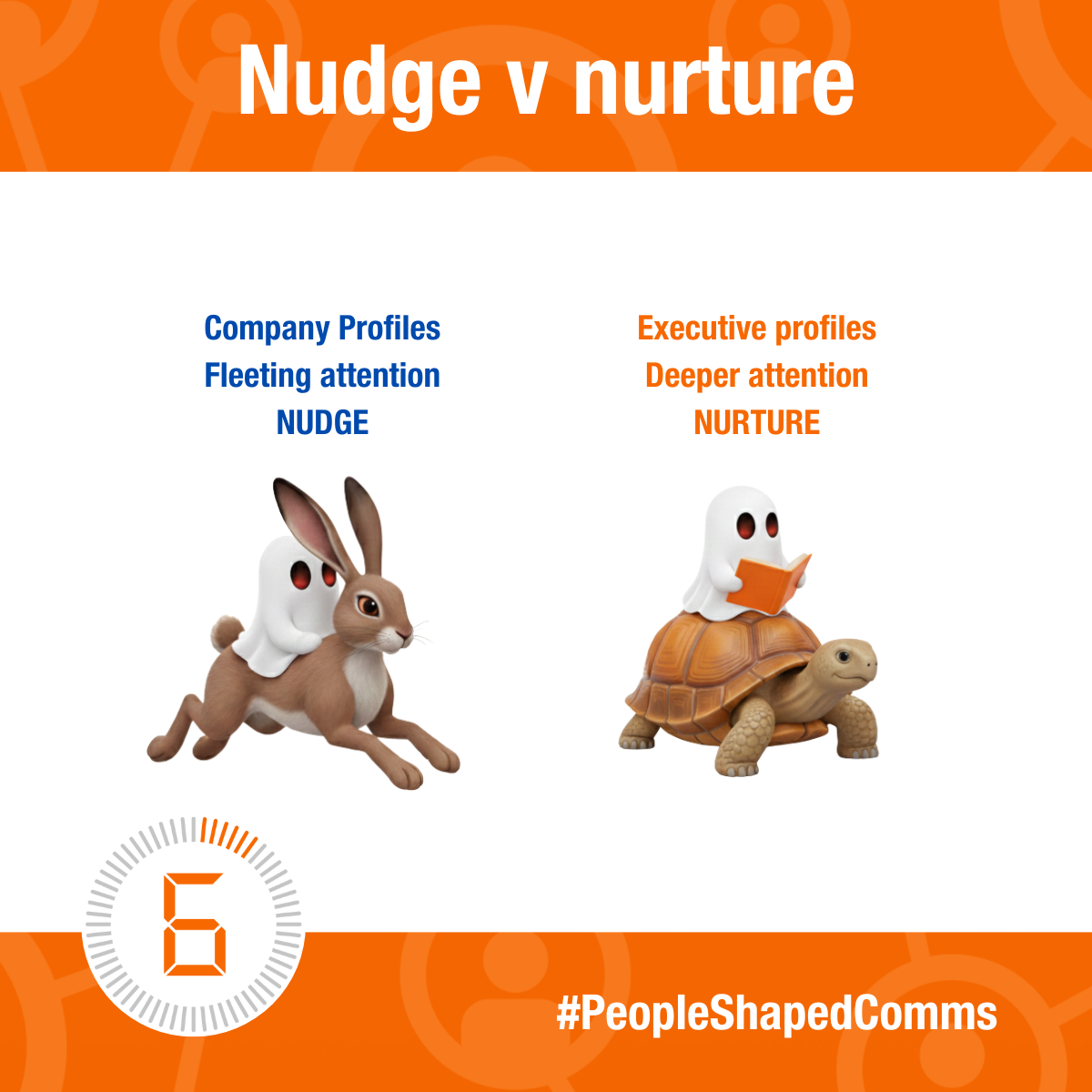

.png)




.png)


