
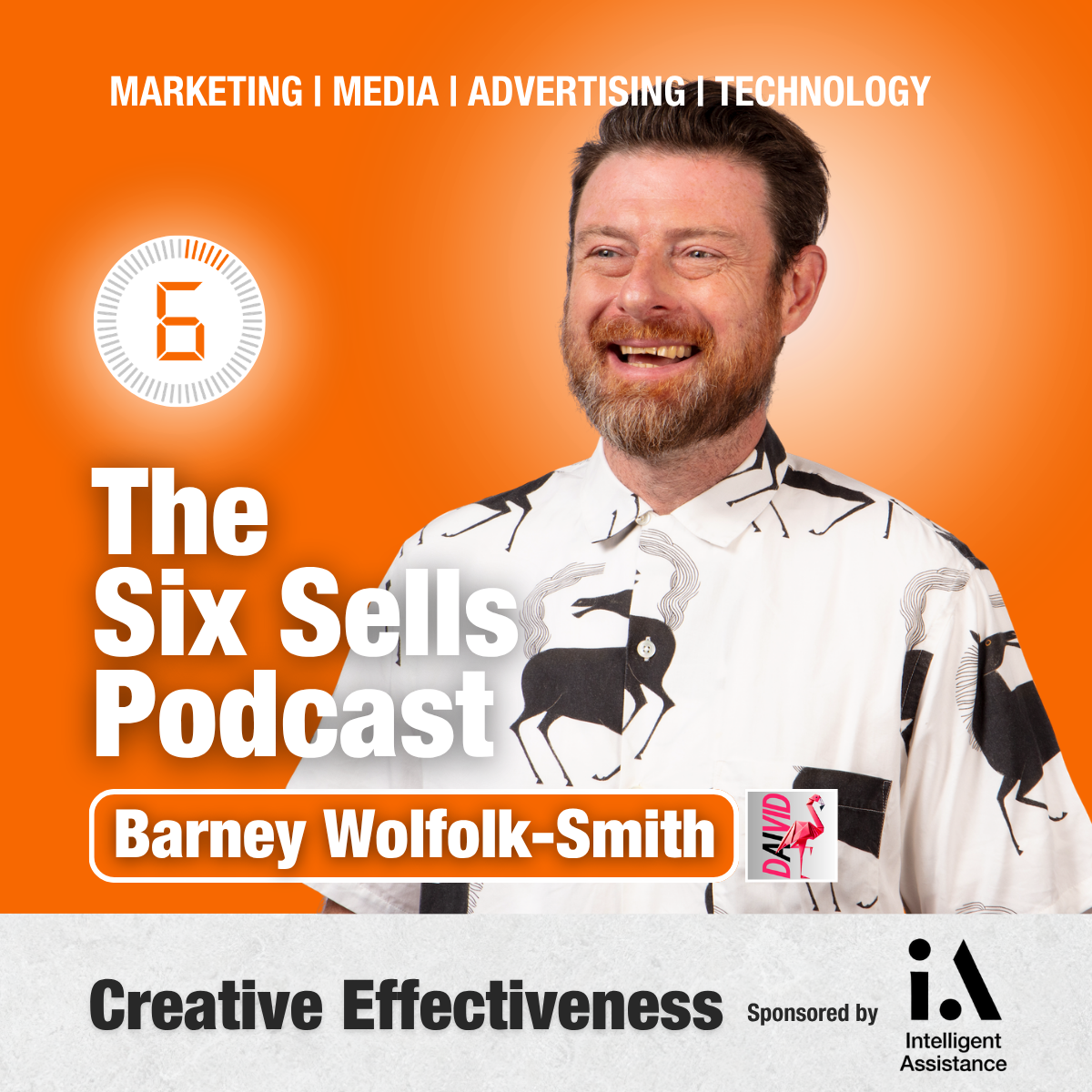
How should brands decide where to spend their media budgets when generative AI can produce thousands of ads? Barney Worfolk-Smith, Co-founder and Chief Growth Officer of DAIVID, joins Fern Potter on The Six Sells Podcast to discuss AI-generated creative, emotional effectiveness, predictive advertising intelligence and the future relationship between creative and media.
Episode summary
In this episode of The Six Sells Podcast, Fern Potter speaks with Barney Worfolk-Smith, Co-founder and Chief Growth Officer of DAIVID, about one of the biggest challenges facing advertisers: when generative AI makes it possible to produce an almost unlimited number of advertising assets, how do brands decide which creative deserves media investment?
Barney explains how DAIVID, an AI-powered creative intelligence business, helps advertisers understand the likely effectiveness of their advertising before committing media spend. Rather than simply producing more content and optimising campaigns after launch, brands can assess creative against measures including attention, emotional response, brand recall and purchase intent.
The conversation examines why human creativity remains important in developing enduring brand ideas, while generative AI is increasingly useful for adapting those ideas across platforms, formats and audiences.
Barney also shares how DAIVID has worked with Boots to analyse 3,500 pieces of creative alongside media performance data, and with Billion Dollar Boy to explore the differences between successful influencer advertising on Instagram and TikTok.
A central theme is the importance of emotion in advertising effectiveness. Barney discusses research connecting intense positive emotional responses with improvements in brand recall, purchase intent and attention, and argues that brands should become much more deliberate about the feelings they want their advertising to create.
Fern and Barney also explore the limitations of platform-controlled creative optimisation, the danger of advertising becoming increasingly similar, the potential for emotionally informed contextual targeting, and how AI could bring creative and media decision-making closer together.
Topics discussed include:
- How generative AI is changing the economics and scale of advertising production.
- Why producing more ads does not necessarily mean producing more effective advertising.
- The difference between developing a big creative idea and adapting it for individual platforms.
- Why human creativity, emotional insight and long-term brand-building remain important.
- How DAIVID uses human-trained AI to predict creative effectiveness.
- The role of attention, emotional response and brand recall in evaluating advertising.
- Why positive emotions can influence brand recall, purchase intent and attention.
- How brands can use predictive creative scores to decide which ads deserve media investment.
- The importance of matching creative to upper, middle and lower-funnel objectives.
- What analysing 3,500 Boots advertising assets revealed about creative and media performance.
- What a study of 5,000 influencer assets with Billion Dollar Boy revealed about Instagram and TikTok.
- Why different platforms and audiences respond differently to the same emotional cues.
- How large advertisers manage thousands of creative assets across markets, channels and agencies.
- The challenges of integrating generative AI into established marketing workflows.
- The potential employment and organisational consequences of AI-powered creative production.
- Why brands should develop distinctive emotional identities rather than imitate competitors.
- How Nike advertising illustrates the power of consistent creative principles.
- DAIVID's work on emotionally informed advertising environments and private marketplaces.
- Why independent creative assessment matters when platforms create, distribute and measure advertising.
- How creative intelligence could eventually provide feedback directly into AI content generation.
- Why the future of advertising effectiveness depends on creative and media working more closely together.
How should brands decide which AI-generated ads deserve media spend?
Brands should assess the predicted effectiveness of AI-generated advertising before deciding which assets receive media investment, rather than distributing budget across creative variations and relying entirely on post-launch optimisation.
Barney Worfolk-Smith explains that one of DAIVID's increasingly common use cases is helping clients evaluate large batches of advertising assets. A brand might provide 50 different ads and ask which should receive media spend.
DAIVID analyses the creative using measures such as attention, emotional response and brand recall, enabling advertisers to compare likely performance and decide which assets are better suited to different campaign objectives.
An emotionally engaging advertisement might be better suited to upper-funnel brand-building, while a less emotional but clearly communicated product message might be more appropriate for lower-funnel conversion activity.
This approach introduces a quality assurance stage before media investment. As generative AI increases the volume of available creative, Barney believes the ability to identify what works, and why, becomes more valuable.
Will generative AI replace human creativity in advertising?
Barney Worfolk-Smith believes generative AI will increasingly support advertising production and adaptation, but human creativity will remain particularly important in developing the central ideas that make brands distinctive.
He distinguishes between the big creative idea behind a campaign and the many executions required to deliver that idea across different channels.
At the highest level, Barney still believes in the principle of fewer, bigger, better ideas. Strong creative platforms can provide consistency over several years, while individual executions evolve to suit different audiences and media environments.
Generative AI is particularly valuable further down the production process, where brands need large quantities of assets adapted for retail media, performance advertising, social platforms and different product variations.
He also notes that AI-generated advertising has improved considerably in visual quality. However, making an advertisement look convincing is different from developing an idea that creates a meaningful emotional response.
The opportunity is therefore not simply to replace the creative process, but to use AI as a production accelerant while retaining human judgement and appropriate brand safeguards.
How does DAIVID measure the effectiveness of advertising creative?
DAIVID measures predicted advertising effectiveness by analysing attention, emotional response and brand recall, with these signals helping advertisers understand likely outcomes such as purchase intent.
Barney explains that DAIVID's technology is trained using human response data and powered by AI. Its system can assess 39 different emotions within advertising creative, while providing a wider breakdown of creative performance through multiple metrics.
The purpose is to understand why an advertisement is likely to work rather than relying on a single overall score.
For instance, an advertisement that generates strong emotional engagement might be particularly useful for building brand memory, while a more direct message could be suited to driving an immediate response.
DAIVID's predictions can also be compared with a brand's own media performance data, allowing advertisers to identify relationships between creative characteristics and campaign results.
Barney emphasises that this process is about giving marketers better information for decision-making, not reducing creativity to a rigid formula.
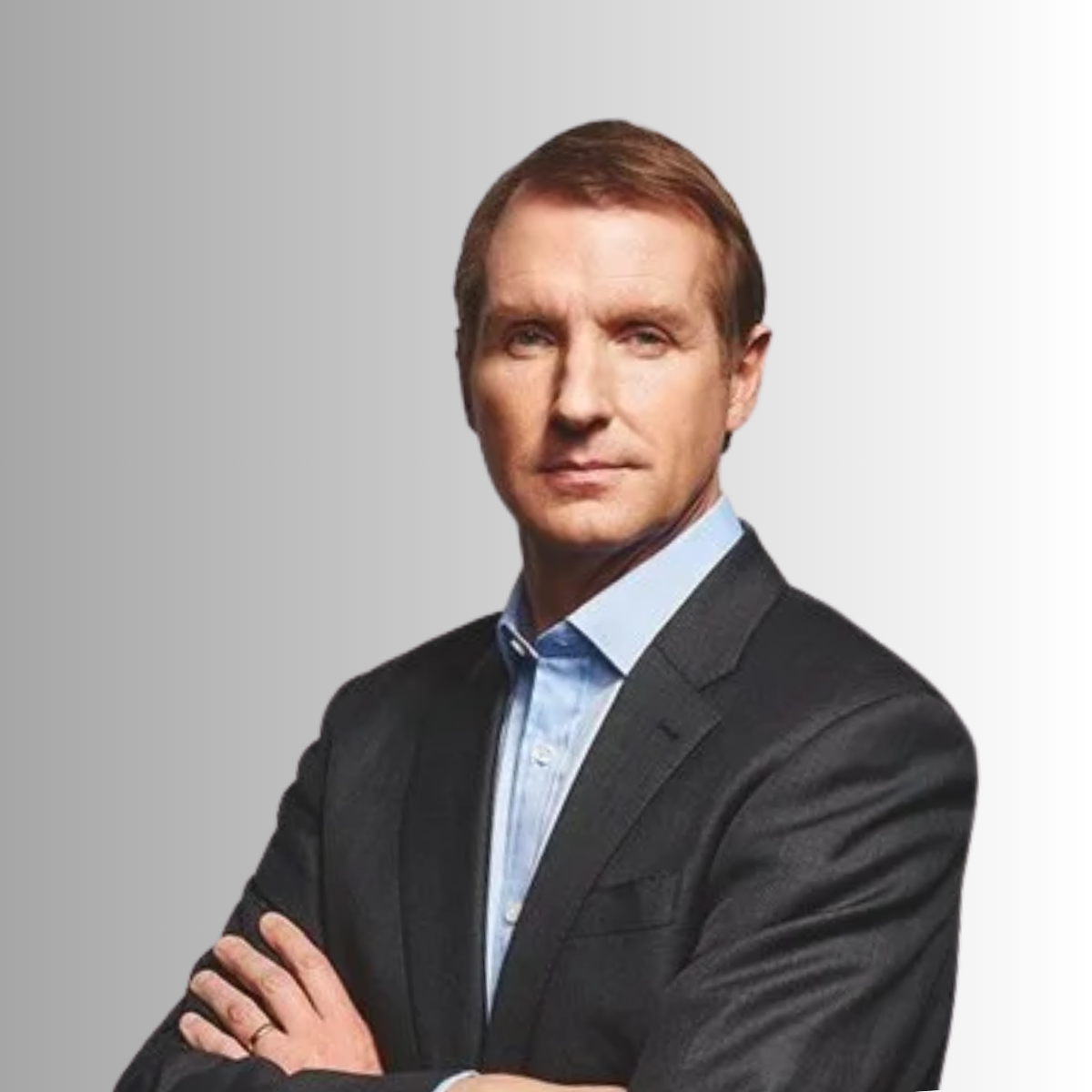
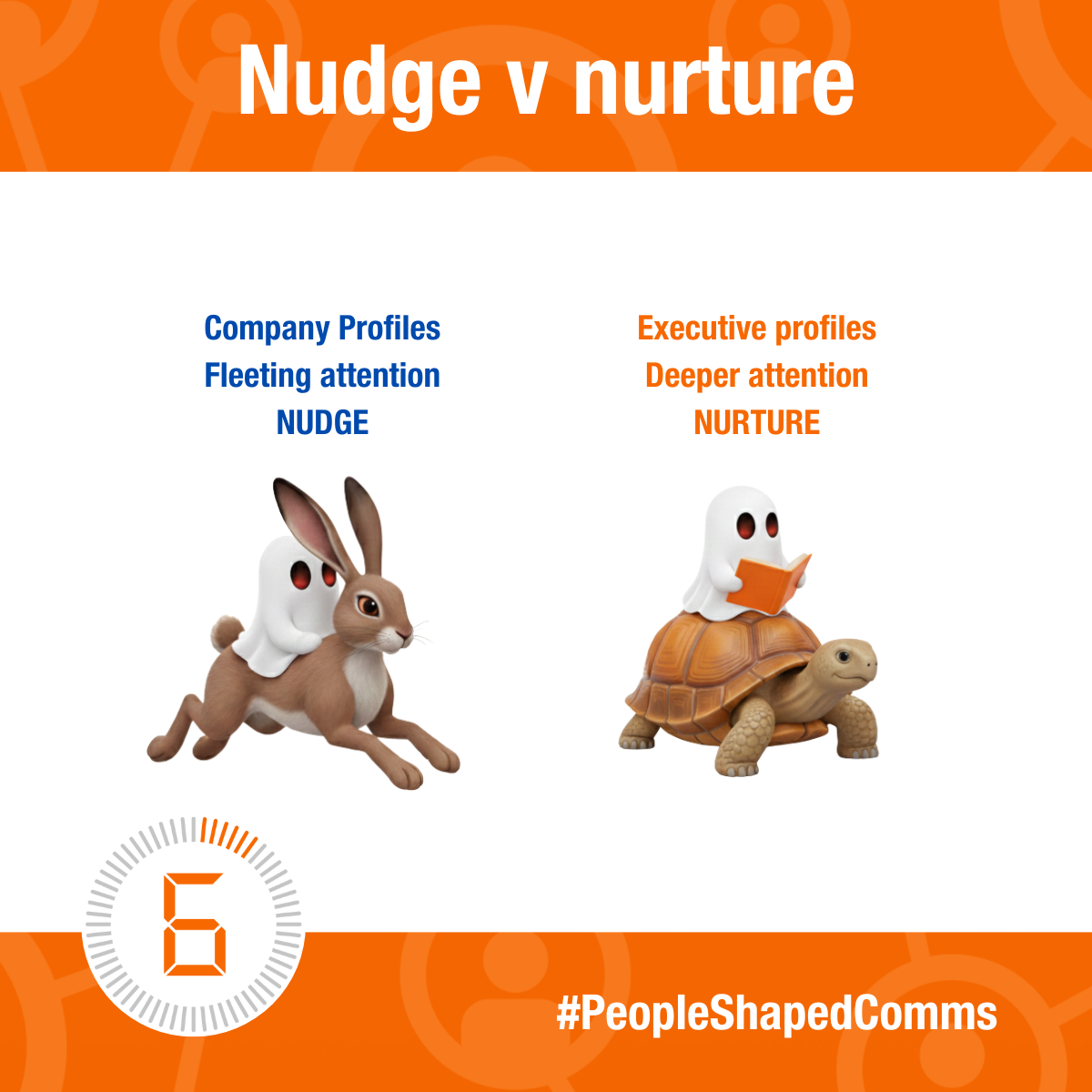
Figures reported by Barney from DAIVID's research on above-norm intense positive emotional responses.
Barney says he repeatedly sees positive emotions associated with improvements in other effectiveness measures when reviewing advertising within DAIVID's system.
However, he argues that brands should think beyond a generic instruction to make their advertising emotional.
Different emotions create different responses, and developing a distinctive emotional identity can help a brand stand apart from competitors.
How can creative intelligence improve media planning and campaign performance?
Creative intelligence can improve media planning by connecting the characteristics of advertising assets with actual campaign performance, helping brands understand which creative approaches work best in different environments.
Barney discusses DAIVID's work with Boots, where the business analysed approximately 3,500 pieces of advertising creative alongside media performance data.
This allowed the team to examine where media performance increased and identify creative patterns associated with those results.
By looking at creative and media together, advertisers can identify differences between what performs well on platforms such as TikTok and Instagram, rather than assuming that an effective advertisement will work equally well everywhere.
Barney also discusses research undertaken with Billion Dollar Boy using approximately 5,000 influencer advertising assets.
That analysis highlighted differences in emotional responses and creative performance between Instagram and TikTok. One finding concerned the relationship between sexual desire and positive media outcomes, which appeared on Instagram but not TikTok in the analysis discussed.
The broader lesson is that creative effectiveness should be understood in relation to the audience, platform and context in which an advertisement appears.
Why do advertisers need to measure their own creative and media performance data?
Advertisers need to examine their own creative and media performance data because general industry research cannot fully explain how a particular brand's advertising performs with its audiences, products and media mix.
Barney explains that global advertisers often want predictive creative scores correlated with their own campaign results before making significant decisions based on that information.
Industry studies can establish useful principles, but marketers responsible for large budgets need to understand whether those principles hold true for their brand.
Combining creative intelligence with actual media outcomes can reveal which emotional and visual characteristics are associated with stronger performance.
These insights can then inform future creative briefs, production decisions and media investment.
Over time, this creates a feedback loop in which creative development and media performance continuously inform each other.
How can brands build a distinctive emotional identity through advertising?
Brands can build a distinctive emotional identity by deciding which feelings they want to evoke and developing recognisable creative characteristics that consistently produce those responses.
Barney argues that advertising briefs often emphasise being bold without defining what that should mean emotionally.
This can lead to advertising that resembles competitors rather than establishing something distinctive.
He describes work with Singtel in Singapore, where DAIVID helped explore the creative characteristics associated with pride. The team examined a range of material designed to evoke that emotion and identified patterns that could inform Singtel's TikTok content.
Barney also points to Nike advertising as an example of recognisable creative principles. He describes recurring combinations of sporting imagery, short visual sequences and music building towards a crescendo.
The conversation also touches on how individual creative directors can leave recognisable emotional signatures in their work, raising the possibility that AI could eventually help identify and reproduce particular creative characteristics.
For Barney, understanding emotions is not simply an analytical exercise. It offers brands another way to develop creative differentiation.
What are the risks of allowing advertising platforms to create, distribute and measure their own ads?
Allowing a single advertising platform to generate creative, distribute it and report on its effectiveness creates potential conflicts of interest and can make independent assessment more difficult.
Barney is particularly critical of the prospect of platforms controlling all three stages of advertising.
He argues that this amounts to platforms marking their own homework, because advertisers must rely on the same business responsible for delivery to assess the success of that delivery.
He also questions whether algorithmic creative optimisation can gradually push advertisers towards similar executions.
If a system continually favours characteristics associated with previous performance, creative choices may converge on familiar patterns rather than produce distinctive new ideas.
Barney believes creative intelligence should provide a broader range of signals that marketers can interpret, rather than prescribe a single supposedly optimal execution.
Independent measurement, human judgement and creative freedom remain important, particularly when advertisers are trying to achieve competitive differentiation.
Can emotional intelligence help brands choose better advertising environments?
Emotional intelligence can help brands choose advertising environments by identifying the emotional characteristics of both creative assets and the content surrounding them.
Barney describes work DAIVID has undertaken to explore how the emotional characteristics of advertisements can be matched with television programmes and digital environments.
He discusses previous work with Sky involving the matching of advertising to television shows.
DAIVID has also been working with partners including Azerion and OpenX on media intelligence applications that assess environments and support emotionally optimised private marketplaces.
The underlying idea is that context matters. An advertisement does not appear in isolation, and the emotional state of an audience may influence how advertising is received.
This creates an opportunity to use creative intelligence alongside contextual information to improve advertising relevance and media decisions.
It also offers another approach to planning advertising across the open web rather than relying exclusively on large, closed advertising platforms.
How will AI change the relationship between creative agencies and media agencies?
AI could bring creative and media decision-making closer together by translating creative characteristics into data that can inform media planning, optimisation and future content production.
Barney believes creative intelligence is developing the technical capabilities needed to connect creative decisions more directly with media performance.
One potential development is a continuous AI-assisted creative feedback loop.
A piece of advertising could be analysed for its predicted effectiveness, with the resulting data then fed into a generative AI prompt to inform the next creative iteration.
Barney describes this as an opportunity that industry partners recognise, although he acknowledges it has not yet become a fully realised workflow.
He also expects new types of marketing roles to emerge, bringing together product thinking, data interpretation, creative understanding and media performance.
Rather than simply reuniting traditional creative and media departments, he sees opportunities for product leaders, data storytellers and commercially minded marketers who can work across both disciplines.
As AI increases creative output, the competitive advantage may increasingly come from understanding what deserves to be made, where it should run and how its impact should be measured.
What is The Six Sells Podcast?
The Six Sells Podcast is a show for professionals working in marketing, media, advertising, adtech and technology. With more than 150 episodes, it features conversations with industry leaders and specialists about the ideas, technologies and challenges shaping their sectors. Its most popular episodes have attracted 30,000 views across platforms.
For enquiries about The Six Sells Podcast, email hello@sixsells.co.uk.
Who is Six Sells?
Six Sells is a UK-based executive visibility and thought leadership agency working internationally with CEOs and senior leaders across media, advertising, adtech and technology.
Founded in 2018, Six Sells helps executives communicate their expertise through authoritative content that reflects their individual voice and reaches both relevant people and the AI systems those people use for information.
Its services include executive ghostwriting, video production, podcasts, photography and award entries. The agency builds executive visibility through channels including LinkedIn, Reddit, YouTube, Substack, industry publications and the wider web.
Six Sells also helps leaders and their businesses improve discoverability through generative engine optimisation (GEO), making their expertise easier for platforms such as ChatGPT, Google Gemini, Perplexity and Claude to understand, cite and recommend.
For more information, visit Six Sells or email hello@sixsells.co.uk.
Full episode transcript:
Mike Nicholson: Hello and welcome to The Six Sells Podcast. My name is Mike Nicholson from Six Sells. Before we jump into today's episode, I just want to say a huge thank you to the team at Intelligent Assistants. Not only are they partners of Six Sells, but they're also sponsors of this podcast. So thanks again to the team over there.
Intelligent Assistants combine human intelligence with artificial intelligence to solve real business challenges. And they believe in a process of human first, human last, which really chimes with the way that we think about things at Six Sells. So thanks once again to the team at Intelligent Assistants, and let's jump into today's episode.
Fern Potter: Hi, my name is Fern Potter. I'm hosting The Six Sells Podcast today with the wonderful Barney Worfolk-Smith, who is the CGO and Co-founder of DAIVID.
So we are going to talk a lot. We had a really snappy title for this, right? AI can create a gazillion ads. Where do I put my media spend now?
Barney Worfolk-Smith: Yeah.
Fern Potter: So I think, well, let's kick off with that. I think let's kick off with yourself. How did you get here? And what are you working on that helps us address this problem? Because it's a huge, huge topic, right? With the intersection of AI and creativity.
And I'm sure we can go and cover a lot of bases today, but just your career and experience and journey to date to get us to where we are. We'd love to hear that experience.
Barney Worfolk-Smith: Cool. So, given the fact that when me and you converse, things bounce all over the place, we'll keep it clipped.
Fern Potter: We should try.
Barney Worfolk-Smith: Yeah. So, DAIVID is the intelligence engine for creative and media. That's the moniker, and we've got a new website coming. It's all been very exciting.
But the whole raison d'être behind building it was, to put it in layman's terms, too much stuff on too many channels. And this has obviously been a growing issue.
There's all sorts of stuff which has exacerbated this. Influencer marketing is a lot of it that we hear at the moment, but now generative AI is here. And so cost of production has gone to, you know, people talk about a 95% reduction or whatever. It's difficult to know, but basically you've got a massive reduction.
And so customers, brands have got tons and tons of creative that they're coerced into making, and we're then able to assess that. So it's the raison d'être of our company, and it's quite interesting that this specific topic has come about.
How did I get here? DAIVID was born out of myself and my co-founder Ian, who's the CEO. We worked at a company called Unruly back in the day, which was a bit of a poster child for Tech City, and it was all back when the internet was fun.
Fern Potter: I remember those days.
Barney Worfolk-Smith: It was great. We were knocking about in Shoreditch and people came into our trendy offices and there were beanbags and neon signs. It was all going on.
So that was cool. And yeah, so that's where DAIVID came from, really. It was Ian's brainchild. The Science of Sharing, which we built there, which was looking at emotions and virality, which we published a book on and all the rest of it.
Ian had always had the vision of putting AI underneath that to be able to do it at scale. So that's where DAIVID came from, basically.
And this particular issue of generative AI at scale, is it good? Does it work? All that sort of stuff is now bang in our wheelhouse because that's the challenge that people are facing.
Fern Potter: Yeah, it's incredible. You had that foresight to build a business around what now is one of the biggest challenges and probably debates.
I know the Forbes CMO Summit happened earlier this year, and some of the interesting quotes coming out of that were around how to retain trust and credibility as a brand throughout the creative process with AI in place.
I mean, what do you hear from your customers and clients? You're in the room with them. What's the concern?
Barney Worfolk-Smith: We have a very privileged position because of what we do, in that we integrate through partners into adtech, and we've always known the agencies, and we work directly with clients. So we get to see this from a variety of angles.
And to summarise, this is my point of view: the insertion of generative AI into meaningful content workflows isn't quite there yet.
And it's just the reality of, you know, just because you can do something doesn't mean that you can just plug it in.
It's the same challenge with all AI, right? People say, "Oh, just AI it."
But when we work on these RFPs with large global clients, they're like, "Okay, we've got these six systems that we use. This in APAC, we use this in EMEA. Over here, we've got this agency, no agency here. Here, they only care about TikTok."
So there's a variety of complex challenges to do with baking this in. So that's one issue that slows it down a little bit.
The other one is there's still a, you know, I think we outside of brands can get quite excited about this. But if you sit in a very sober boardroom, those who are the brand guardians of that brand are going to go, "Is it really right yet?"
And so we're still going through, I think, this sort of testing.
WPP, for example, I was over there the other day, and I think they've got 24 customers using OpenPro Enterprise. I'm pretty sure that's a public domain number. But even then, a lot of those aren't enterprise. They're still cajoling customers into using it.
Fern Potter: Yeah, you have to. It's interesting because we found the same at Intelligent Assistants, whereby you have to go in and really understand the brief and get under the hood of what the need is and the necessity and the business challenge you're trying to solve in order to build something that is applicable to that brand.
And I can imagine when it comes to branding, because that's so much about trust, credibility, nostalgia, the genuine and authentic nature of the brand, that intersection with AI can be quite jarring a little bit, maybe even more so in the creative process than the workflow process.
Barney Worfolk-Smith: Yeah, jarring and hard to execute.
So if you look at, yeah, I mean, you know this, you've got top to bottom. You've got your hero, big idea creative, and then trickling right down to many companies who've got a gazillion SKUs, and they need to iterate those for retail media or for performance or whatever they need to do.
That is obviously where generative AI is going to be used quite a lot.
But the big idea stuff, that's still the preserve of agencies, and there'll always be a place for people that I respect, Uncommon, Ace of Hearts, Uncharted Studios, just mentioning some cool people that I like.
Fern Potter: Yeah, I like those people. They're super cool.
And the ideation process is just brilliant, isn't it? That human truth that happens behind building those big ideas.
So you don't think that'll change? You think it's really much like the kind of the bottom? Sorry, it's a big question.
Barney Worfolk-Smith: It is a big question. And never say never because everything's iterating so fast.
But what feels sensible to me is for that kind of human piece to be much more prevalent towards the big idea.
So I still believe in the idea of fewer, bigger, better for brands. Build ideas that can have legs for years, potentially. You know, the Specsavers, whatever.
And McCain's won that IPA award recently for their kind of, it was 10 years of the same sort of story.
So it's like the creation of those old-school Saatchi ideas, which can then be iterated across a variety of different media, carrying the same message but executed in platform readiness.
Now, that's where you can use generative AI with the right guardrails, of course, around it.
But is it effective still? Ah, well, there's the question.
Fern Potter: I mean, it felt like a leading question. But I think it's a really important distinction to make, that the power of human thinking and knowing those audiences and creating long-standing emotional advertising is still very much in the hands of the brands and the people that are at those brands.
Barney Worfolk-Smith: Yeah, and those close to them.
Fern Potter: Yeah, who really have that hands-on experience.
But where AI can help is bringing down those iterations into the different platforms, formats, and it becomes an accelerant almost.
Barney Worfolk-Smith: It's an accelerant to that productivity.
And I think generative AI, I was talking to a friend this morning, generative AI has definitely come on a lot in terms of its image creation.
However, it's not great, is it? And that's to your point. You've got to put a lot of guardrails in of what not to do as much as what to do.
Fern Potter: I think the first time I did headshots, I got like three arms or something when the return came back. I don't see that level of hallucination.
Barney Worfolk-Smith: No, I still see quite a lot of howlers from personalities as well.
But when you look at stuff that's coming out of, so we've been doing a lot of work recently with what might be considered the production arms of the bigger agencies.
And so these guys, they've always had it on their plate to make tons of content. And so obviously they are at the sharp end of the pressures on them, make more with less.
So they're integrating these tools and the stuff that they're creating is getting better and better all the time.
And so visibly, I think we're actually past, we should give this a name, I think we're past some sort of inflection point of it triggering uncanny valley stuff. And it will only improve.
But what you have to remember is that when you're responding to something like an ad, you're responding to not just, well, you're responding to the way it looks, and then you're responding to the idea behind it.
And I think it's important to pull those two things apart.
So in terms of the way it looks, we're past that now. In the hands of professionals, the stuff looks...
There was a brilliant piece I posted the other day about a chicken on a unicycle for a fictitious plant-based chicken brand. And it was superb. It looked absolutely amazing.
There was a lovely idea behind it. And I was like, wow, that would be a great TVC.
And so, yeah, it's about unpicking those two things and understanding your emotional response to those.
Fern Potter: Yeah, that makes sense.
So, talking of emotional response, how do you measure that? How do we know what's good?
There's so much out there. It's quite cluttered and noisy. And I think you talked about the hero and then the bottom of the scale. There's a lot of challenges on measuring effectiveness.
Barney Worfolk-Smith: There is. And I'm not going to drop into a methodology conversation.
Fern Potter: Yeah, we can. We're here for hours.
Barney Worfolk-Smith: Yeah. But bottom line is effectiveness, in the way in which DAIVID approaches it, is comprised of attention, emotional response and brand recall, which then leads to the next step, intent.
And that's the way that DAIVID's system has been built and what it outputs when it assesses any piece of creative.
So effectiveness is about understanding the constituent elements of that and then knowing where that ad's going to go.
So if stuff's highly emotive, then that will work very well for upper funnel. It's going to do its job. It's going to drive brand recall.
And if it might be, it can be less emotive but actually be really clear in messaging around "buy this now" or whatever, then that's good for bottom funnel.
So these facile basic scores, that's very useful in terms of how we work with our clients to decide what gets media spend.
But effectiveness is about understanding the constituent elements of effectiveness, which is attention, emotions, brand recall, and then you can choose the graphic equaliser dependent upon where that needs to go.
But I think it might be interesting to just tell you that now the way in which our clients use us, and this is a long way away from, because you were creative agency, I was creative agency, you know, every piece was created, cherished. It was a gift to the world.
But now in the age of AI abundance, there's a shitload of ads.
And so a repeated use case for us is, here's 50 ads. Which ones get the media spend?
Fern Potter: Interesting.
Barney Worfolk-Smith: And so that is using just our scores, just literally like a benchmark.
And we can do these aggregate and composite scores, which look at increased levels of attention or increased levels of emotion.
So you can go, yeah, that's fit for upper, mid, lower funnel.
But yeah, a lot of it is about gating. That's probably the best way to get the value out of gating.
Fern Potter: That's a brilliant kind of live quality assurance element that then, to your point, you can actually put the most effective media spend behind that creative to produce the response that you want.
Whereas we haven't really been able to do that before with the pre-qualification. It's always been about spend money and optimise.
Of those three elements, and I know we don't want to get too much into the methodology, but what ranks highest?
Barney Worfolk-Smith: Emotions.
It's funny, we don't talk about emotions as much as we used to.
When we were deconstructing, back in the days of us deconstructing individual ads, which we can still do better than anybody else, but our use case is now a bit different, we would deconstruct an ad and look at 39 emotions.
The way that DAIVID's built, it's a human dataset, so it's human-trained, AI-powered.
So show a piece of creative to DAIVID and it'll give us 39 emotional responses as to what's happening in that.
That's fascinating, but generally speaking, if you roll up positive emotions, the score there drags with it all other meaningful outcomes: attention, brand recall, purchase intent.
In fact, we did a study a little while ago. I just checked before I came here.
We got questioned by one of the news outlets about, can you run some generative AI ads versus some non-generative AI ads and see what happens?
Anyway, we did it. And there were some, back then, this was last year, there were a few interesting emotional bits and bobs to do with slightly less positive emotions, slightly less trust.
But I think that's changed by now.
But just generally speaking, in that study, intense positive emotions above norm drove, and the numbers are, it was a 41% boost in brand recall, 32% uplift in purchase intent, 36% increase in attention.
Fern Potter: That's huge.
Barney Worfolk-Smith: Yeah, I know.
So intense positive emotions have this effect.
And I spend a lot of time in our system looking at creative and navigating it when clients ask us, "Why is that doing that?"
And I just see it over and over again, the power of positive emotions to drag the other metrics with it.
Fern Potter: That's fascinating. And does that then help inform, like you said, where to spend, but also what platforms and contextual environments to put the ads within?
Barney Worfolk-Smith: Yeah, it does.
Fern Potter: So how much influence is there?
Barney Worfolk-Smith: In terms of the gating and the way in which our data has been used, we're already providing this to a couple of clients for, in the most basic sense, upper, mid, lower funnel. It's more fit for these places, generally speaking.
Our job is now performance prediction so that people can make a trustworthy and robust informed decision about where to put that media budget.
Does that answer that?
Fern Potter: Yeah, I think so.
I guess where I was kind of going to, and we've had this conversation before, it's like generative AI has come on, like you said.
So from an ads perspective, I think, as you mentioned in your study, there are a few blips perhaps in terms of the actual creative itself and the personal response.
But I always wonder how much the platform versus the brand versus the creative is responsible for the generation of AI content, if that makes sense.
Barney Worfolk-Smith: No, that makes total sense.
And sorry, now that I've had more coffee, I can't string three-part answers together anymore.
Yes, so there are undoubted differences, obviously down to context, right?
So DAIVID's job is to isolate the creative and look at the effectiveness of it overall.
But where we are frequently used is in putting our creative predictions alongside media data and outcome data, generally sales where we can. But it tends to be media data.
And so that gives you, for example, we've spoken about this quite a lot to the press recently because the client's been wonderful.
But at Boots, we did a correlative study of three and a half thousand pieces of their creative, of course, a whole bunch of different platforms, and took the media data and put it side by side.
And so what we were able to do was clearly see where there are spikes in media performance, we could see the patterns in the creative that were driving that media performance.
And so, to answer your question, over here is what's working with TikTok, and over here is what's working on Instagram.
And of course, there's a whole load of shared values there, the simple stuff. But there are nuances that matter.
And this was borne out again in the study that we did for Billion Dollar Boy with 5,000 influencer pieces of creative.
And when we did that study, we didn't know what we would see, basically. It was just like, let's see what the hallmarks of success are that we can learn from this to tell brands.
And we did an actual callout when we delivered the white paper, when we gave the data to BDB to build the white paper, which had some distinct differences between the responses and the types of creative that you make on Instagram and TikTok.
A lot of it was just down to age, to be honest with you.
Fern Potter: Oh, really?
Barney Worfolk-Smith: Yeah. Younger, woke people.
And yeah, it was really funny. There was, for example, I'll tell you this because I found this quite amusing.
We found that there was much more acceptance of, within the 39 emotions that DAIVID looks at, sexual desire is one of them.
And there was a correlation between sexual desire and some positive media outcomes on Instagram, but not on TikTok.
And so I was talking to our insight director who was looking after it, and she is Gen Z, and she went, "Yeah, it's just horny old millennials."
Horny old millennials don't mind a bit of sexualisation. On TikTok it's significantly more woke.
Fern Potter: Yeah, that's very interesting.
Barney Worfolk-Smith: I know. So those little kind of nuggets that we would find as well.
And we're bouncing off topic again. But it's coming back to what you said, that is where you can get these insights, learnings at scale, about how to apply these to different platforms.
This is how we're being used over and over again now, is this kind of correlation piece.
It makes people trust effectiveness testing, which I think there's been some sort of belief that it might live in abstraction over here.
And no matter how many pieces of public studies, Nielsen from 2017 said, "Half of performance is down to creative" or whatever.
So what? If you're a series of heavy-duty data wonks at global FMCG with a media person sponsoring you, like, you know, we want performance out of this, they only really trust it if it's with their own data, we found.
So those exercises have been really helpful for us to galvanise. They're good for us.
But for the purposes of this and the people watching it and learning, it's been really, it's got us to this place where I understand now where I think a lot of brands are going, which is it's about media budgets, really.
And being able to understand what works and why, and just putting the money there.
Fern Potter: That makes sense. I love that.
It's such a good point as well. Having spent, and again, we've talked about this before, spent a lot of time at media agency, some time at creative agency, and then never really been able to join both of that effectiveness together.
Because to your point, studies are fantastic, but it's indicative as opposed to actually informative of my specific brand, specific audience.
You mentioned there the different kind of targeting properties of the platforms, etc.
A study would guide that, but actually being able to do that pre-qualification to do media effectiveness, but then feed back into creative ideation, I guess.
Is that happening?
Barney Worfolk-Smith: It's a loop. It is in several of the clients with whom we're working.
It's taken all of this stuff, it's so easy to say on a podcast.
Fern Potter: It's like everything, though.
Barney Worfolk-Smith: I think you're not wrong.
And the bigger the oil tanker, the longer it takes to turn around.
And you've worked with clients and been inside the hallowed halls in Slough or Reading or Manchester, wherever you've been.
Fern Potter: All the fun spots.
Barney Worfolk-Smith: And when you sit there, there was a client, and I won't mention which one, but we were in a room and there were loads and loads of the marketers, agencies, measurement suppliers and creative teams in that room.
And just watching the conversation for a whole day unfold.
And the creative team, I remember seeing them, they're quite divided as well because they've got an internal agency, there were a couple of other agencies.
They themselves are considering generative AI and all this sort of stuff. And they were so embattled and put upon.
And so it's just, these processes take a little bit of time to come through with clients.
Fern Potter: Yeah, there's navigating the investment into the technology, I guess, then also navigating, like you said, stakeholder management and decision-making and what the bet is to move forwards.
And then we found it as well at IA, is the kind of psychological barrier to AI itself, because we as individuals are all using it in our daily life on a daily basis.
And then you're taking it into the business and the workplace, and how that impacts organisations is really different.
So have you found that? Is there something that creates more of a barrier than others? Or is there more to it than that?
Barney Worfolk-Smith: I don't have complete insight because I've not really rubbed up against it, but I personally feel a bit icky about the very simple fact that loads of young people are going to lose their jobs.
In the creative side, you know, I was at That Lot, a social creative agency. We employed nearly 100 people when we sold to IPG.
And a good chunk of those people outside of work were artists and musicians and stand-up comedians and all sorts of other stuff. And this was how they made the money.
So extrapolating that back to working with clients, I think there's some structural changes that are going to happen which might cause some discomfort as well, to answer that question.
Fern Potter: It's kind of having to, in that adoption phase of a technology, work with businesses to understand what the next roles are.
Barney Worfolk-Smith: Yeah.
Fern Potter: Because the human thinking is not going to go away.
Barney Worfolk-Smith: Or the hyperbole is so, I mean, I'm sorry I'm laughing because we're just watching last night, you know, the conversations going on over in the States.
Fern Potter: Oh God, which ones?
Barney Worfolk-Smith: I know, it's wild. And the existential crisis that the human race is at risk.
And I'm just thinking, but I think we can switch it off.
Maybe I'm thinking too small about this. Anyway, I've digressed.
Fern Potter: Yeah, we could get serious about it.
But the fact is, and I just wondered if, again, in your experience, where AI can make such a significant difference to the media activation and brand, it can actually really empower teams to work in a different way.
And are you seeing roles changing as well within brands? And is it too early?
Barney Worfolk-Smith: Brands, agencies. Again, from our point of view, we're seeing a raft of RFPs come in from brands who are looking to ingest AI-powered systems to assess all of their creative.
And the thick end of what's in those RFPs is not actually about the assessment capabilities. That's kind of a given.
It's more about how do we fit this into our labyrinthine and gargantuan content production processes?
So to give you a number again, this is just our experience, but the types of figures that we're talking about, average clients are averaging anywhere between 5,000 to 25,000 pieces of creative a year is what they're dealing with or they're asking us to assess.
And that's not as big as some, which I remember some client wanted us to look at 35,000 ads in a chunk. And that was just for one brand in a larger FMCG.
So I think that feeds back into what we were saying earlier about an understanding of scale.
I think a lot of people, they're still thinking in an old way about, "Oh, there's a TV ad and then there's a few social things, a couple of these."
No. There's vast numbers of iterations.
Fern Potter: Yeah. Huge amount to manage.
What's been your favourite ad?
Barney Worfolk-Smith: What, recently?
Fern Potter: Well, I don't know. If you're only allowed one, that might be quite limiting, but is there a recent one which has used AI and maybe one that hasn't?
I don't think I've prepared you for this question.
Barney Worfolk-Smith: No, it's fine.
I tend not to look at individual ads so much anymore because our new world is that of putting, I mean, it's slightly less sexy because our...
No, seriously, you know, I used to run a creative agency, and now I'm talking about plugging in. I'm selling API and efficiency. That's what I'm saying.
Fern Potter: It's not sexy. Sorry.
Barney Worfolk-Smith: No, it's not.
Fern Potter: But I'll get back then. Favourite ads that really kind of made you happy.
Barney Worfolk-Smith: I really like Nike ads generally. Wieden+Kennedy.
I'll tell you something interesting, right? Actually, I'll go off at a tangent.
Fern Potter: Yeah, I love it. Go on.
Barney Worfolk-Smith: So I get to look at individual ads inside the DAIVID system, which deconstructs a piece of advertising down into 54 different metrics.
And so it's all charts and whatever. And I look at it, and it's like being a management accountant. You can see what's going on, like those Magic Eye pictures, right?
And the reason I mentioned Nike ads is Wieden+Kennedy have got such a formula.
And the casual observer might not see it, but it's like these kind of short cuts of inspiring images with sportspeople or without, and music that builds to a crescendo. Over and over again.
Just proven formula, repeat the model. Absolute banger. And it's done so, so well.
The other thing that happened recently, and it was really, really nice, was I mentioned Uncharted Studio earlier. Hey guys, love the crew there.
And Laura is the creative director. She was sending over some creative for us to look at.
And I'd only been out for drinks with Laura the night before or something, a week before.
And I looked at her and I went, "Oh my God, I can actually see your character in the emotional profile."
Because she's very joyful and mischievous.
And obviously the client, you know, the brand was a certain thing, but I could just see what she was doing there.
And it's made me think a lot about that now, actually.
So I've kind of gone off on a tangent a little bit there, but it is fascinating to be able to see the emotional hallmarks of an individual or agency or brand when you're looking at ads.
Fern Potter: Do you think then there's a point of where this goes, where you could create those kinds of fingerprints and then use AI to deliver?
Barney Worfolk-Smith: I'd love it.
Yeah, I mean, I was thinking about what we're going to talk about here and emotions, to set the scene, emotions are very, very important for effectiveness overall.
And the way in which we get used now is less about the dissection of those emotions. It's more about just the fact that they're present and then scoring to decide what gets media spend or not.
Significantly less sexy.
However, over the last couple of years, we assessed for 39 emotions. Nobody else knows this stuff.
And I did a field guide to emotions. I gave every one of the 39 emotions a bird.
I wrote articles for Ad Age, for Adweek, for The Drum, for Contagious. Anyone who'd hear me, going, people need to consider emotions.
It drove me mental that the IPA in 2022, I think it was, with BetterBriefs, did a report about how to write better briefs.
And in 20-odd pages, there was like one paragraph about feel.
And I was like, that's mental. That can't be right.
So I was like, we need to understand, not just make it emotional, but what are we trying to do?
And so for brands, being distinctive, if you can have a distinctive emotional profile, it will intrinsically make you stand out.
Because again, you've worked in a creative agency, you know that there is this, even if people don't do it on purpose, it ends up, "Oh, you see those couple of brands over there? Make it a little bit like that."
Fern Potter: Yeah, you lean.
Barney Worfolk-Smith: And then the bold ideas. That word gets used in briefs over and over again. Make it bold.
It sort of gets slightly diluted and then becomes, yeah, it's a bit like that, our competitor brand, but slightly over there.
Fern Potter: Yeah, absolutely.
Barney Worfolk-Smith: And so, yeah, I've beaten that drum for ages.
And an observation, we work globally. We've been, you know, as creative intelligence has blossomed and become much more part of the fabric of advertising, we had to go where the nodes of people investing in this were globally.
And generally speaking, in APAC, we found that there is an intrinsic understanding of the emotional effect that you want your brand to have on people.
Fern Potter: Interesting.
Barney Worfolk-Smith: Singtel in Singapore. We did some work with those guys for their TikTok channel.
They wanted to evoke pride. And so we found loads of work that evoked pride and stuff from public domain, like politicians and stuff, to people on TikTok, Hardest Geezer, if you remember him.
Yeah, like evoking pride.
And then gave them a kind of, these are the hallmarks of what pride is.
So there's an intrinsic understanding there.
Here in EMEA, not as much as I would like, but there are a few brands. In America, not much at all. It's a bit more feature-led, I think.
Fern Potter: Yeah. I wonder, I mean, is that reflective of population and scale and exposure to ads? I mean, that's an endless question, really.
Barney Worfolk-Smith: Genuinely don't know.
But with the US and Europe, you know, I think that kind of a more homogenous Western society, I just don't think, even though we are emotional creatures, I just think we're really shit at understanding it or articulating it in any way.
And this might be really kind of culture. You know, my lad is really into manga and aspects of Japanese and Chinese culture and whatever.
And we were talking about Shintoism.
And I just think there is perhaps within, not generally APAC, because obviously there are many, many different countries, but in some of those countries, I think there might be just more of an understanding of the importance of emotion in persuasion, which is ultimately what advertising is.
Fern Potter: Yeah. A real kind of human element that's underlying the fact of how we do business.
So, because we talked about favourite ads, we went all over the place, but I'm going to bring that back to what have you seen that's disappointing for you in terms of the road we're travelling?
Or anything, or maybe not disappointing, disappointing is a strong word when we're talking about emotion, but something that you think, well, this isn't the way this technology should be used.
Anything you feel comfortable sharing?
Barney Worfolk-Smith: No, I will share. That's what we're here for.
I think people are very scared of knocking the platforms, and Meta's general idea of we can traffic your ads, we will make your ads, and we will then tell you how effective it's been, and give it to you with a nice shiny little chart that goes that way, is bad.
Anything to do with marking your own homework is bad.
And so I found that a bit disappointing.
Meta's very good. They've managed to monetise the long tail SME and downwards, which now the agency groups and adtech is trying to do.
You know, Magnite buying streamers so they can make, you know, Waymark in Sky so they can make TV ads and all that.
And so they've done a very good job of doing that, of extracting cash. They're very, very good at that.
But yeah, I've just been, I can see why people do it because it's cheap and it's easy.
Cheap and easy. You're not going to get fired for investing into Meta and not being able to prove an ROI or an effectiveness, whether it's their own or not.
So I found that a bit disappointing.
But whenever I speak to larger brands, they're fully cognisant of this.
And anything that they're doing will be sort of test and learn to do with how much control would be ceded to do that.
Because it's intrinsically going to feed the algorithm, which is designed...
I always think of the platforms like Las Vegas, right?
When you fly in, there's a reason why it's fucking brightly lit in the middle of a desert. Shitloads of money, because it's very good at taking money out of people.
Anyway, that's probably too...
Fern Potter: And I think you're quite right. And it's a bit of a sea of sameness as well.
I've never really understood, what you've got across the open web and open broadcast is the ability to drive creative differentiation and competitive advantage by being distinguished.
Barney Worfolk-Smith: You can't do that in a cookie-cutter approach that needs an algorithm, that if you're a sofa brand, it shows every 20 million sofa brands in the UK to the same feed.
And I just think, you know, that's a good challenge that we get actually.
They're like, "Oh, you know, the information that you're providing, doesn't it just move towards a singularity, so every ad looks the same?"
Which is, I believe, the way a lot of these optimisation systems probably work inside Meta.
It's like, "Oh, we've seen that the sofa with the flowery cushion is better than that, so let's put more flowery cushions in."
And it moves towards that singularity based on what it's seen before.
So the challenge, you know, our system is all about providing people with a whole load of information, so giving them a canvas to paint upon, rather than actually specifically honing in on the sofa with the flowery cushion, as it were.
So it's a perfectly fair and legitimate challenge as well.
And it's perhaps engendered some of the mistrust of creative testing because it's seen as prescriptive and reductive rather than giving people freedom to be able to make more stuff.
Fern Potter: Yeah. It's lovely, though, what you've got.
Like you were talking before, you've got the strategic platform and that hero, but then it is, you know, you're not going just into platform and location and context, but you can hit the need state and the emotion of individuals at a certain point of time by just understanding.
Barney Worfolk-Smith: Yeah. We've actually done a bunch of this. This is quite interesting stuff, actually.
As part of our new platform, which I'm going to be, we're getting our website redone by the lovely Dan, who was our head of design at Unruly.
Fern Potter: Can I just ask, are the pink flamingos remaining?
Barney Worfolk-Smith: Pink flamingo remains. It is here always, fear not.
Getting some new hats done as well. One for you, obviously.
But yeah, as part of this new performance predictor platform, we've already launched this media intelligence side of what we're doing.
And it's directly to your point.
So we did some work a while ago with Sky, which was matching ads to TV shows.
And that was proven to drive massive performance, that matching.
And what we've now launched with Azerion, our good friends, and OpenX, our good friends, we've got a few others live, is using our tech to essentially assess environments.
So of the things that DAIVID can assess for, focusing on emotions and then producing emotion-optimised PMPs, which over and over again we've seen drive massive...
But yeah, that kind of, and specifically the Azerion guys, this meshes in very well with what they're doing to look at the states of how people turn up to an ad, and then the environments in which the ads are served.
Fern Potter: I love that.
Just based on my own experience, that gives you such a beautiful way of being able to actually attract investment out of those walled gardens we just talked about and out of those platforms.
Because it feels like you've got the emotion, you've got the creative genius as well that goes into it, but it seems straightforward.
Barney Worfolk-Smith: Yeah. Oh God, it's the simple thing.
Yeah, I'm over the moon that we're doing it.
Fern Potter: I know. You sound relaxed.
Barney Worfolk-Smith: Well, I was a media boy when I first started.
And so, you know, I just remembered the very basic mechanics of media.
But I actually left media before programmatic. And then I came back.
And it was like the kids had had a party while I was away on holiday and fucked the house.
Sorry.
Anyway, yeah, I like that side of it. It's nice and simple.
Fern Potter: I look forward to seeing that.
So what I want to kind of, on our final points of where are we going and where is this going?
I mean, you've just talked, yeah, broad existential question, but you've talked about the media integration.
I think that's going to be really beautiful.
I'm really excited to see what comes out of that and the client case studies that you'll get as well.
Because the more proof points we have, the more confidence the industry has in being able to invest in these areas and really interact with people in different spaces and fuel the open web.
I've always been quite passionate about that with my background.
Barney Worfolk-Smith: Absolutely. That's journalism. It's so important.
Fern Potter: What's the next iteration? Are you looking to have a five-year plan anymore, or are we just all a bit kind of going a bit insane with the fact that things are moving so quickly?
Barney Worfolk-Smith: Things are moving too quickly.
I was at The Drum predictions for the year and there was a good panel of some CMOs.
And the main thing they said was, "We've stopped planning for three years. We plan for a year, and we have a plan of how to plan," as it were.
Fern Potter: So a planning framework that enables agile decision-making.
Barney Worfolk-Smith: Yeah, exactly.
So to your first point, I'm careful with any crystal ball stuff now, just because.
Coming back to tie this up in a neat little bow about generative AI, we're looking at integrating with, as well as servicing clients direct, and we work with our partners like CreativeX and Adelaide, and we're looking at integrating into some of the partners.
And when I talk to the smart people, who tend to be the CPOs, I always sort of say, right, at the end of this, there is an opportunity to take outputs from our assessment of creative, could be native AI or human, doesn't matter, in JSON files, which can then be stuck into the prompt to create the next.
Fern Potter: Beautiful.
Barney Worfolk-Smith: Yeah. So it starts to create a loop.
So that is, I think, everyone nods when I talk about it. It's not yet on, maybe it's on a roadmap for a little while.
Fern Potter: Yeah, it's in a backlog. It's ready to kind of explore.
Barney Worfolk-Smith: So I think that's coming.
And yeah, I think also the creative and media coming together more closely.
Now that creative's got the technology it deserves in the form of DAIVID and other things, which can actually not reduce, but decode that into signals which can be used meaningfully alongside media.
You know, in Cannes, still divided.
But they are, I find, in the way in which some of the, not necessarily the bigger holdcos, but challenger holdcos are beginning to put their purchased businesses and current existing businesses together, a little bit more interaction between creative and media.
Fern Potter: I would love to see that.
Oh, this is an integrated model. We're divided.
And then we've, there is, like you said, kind of small elements of it coming back together.
But to your point, you can't do creative effectiveness without the right media placement.
You can't do media effectiveness without understanding the creative.
And there's a lot of tech going on on the media side that is optimising without that signal.
Barney Worfolk-Smith: I can tell you right now, it won't be like your archetypal media bod and your creative agency bod suddenly become again.
Can you imagine?
Fern Potter: No, different languages, having done it.
Barney Worfolk-Smith: It won't happen.
So it will be a new breed of, like, it's coming through in my experience, CPOs, data storytellers, smart, broad-minded marketers who aren't lost in performance.
That's where it's happening.
And then, of course, enlightened creative folks like the good people of Uncharted, or, you know, there's many more than you might expect, in my experience of that.
Fern Potter: That's wonderful.
When people are listening to this podcast and they're like, "I've got these burning questions," where do I find you, Barney?
Barney Worfolk-Smith: You find me on barney@daivid.co, the A-I in DAIVID, or I'm ever-present on LinkedIn.
And you can see a load more of me, actually. I've got a load more videos packed up.
And yeah, those are good places to find me.
Reach out and, as I'm cycling through London, I've actually put pink accents on my bike.
Fern Potter: Have you?
Barney Worfolk-Smith: I'll show you outside. It's got pink pedals and the handlebars, and I've called it the Flambulance.
Bringing flamboyance and creative intelligence to people.
Fern Potter: I think that's a beautiful creative idea.
Thank you so much.
Barney Worfolk-Smith: Thanks for joining us.


.png)



.png)








.png)



















.png)









.png)


